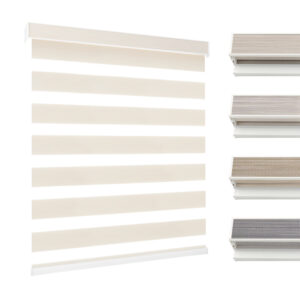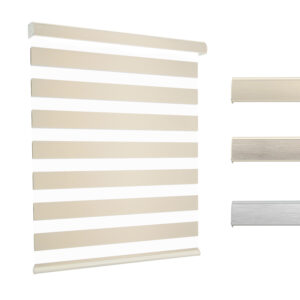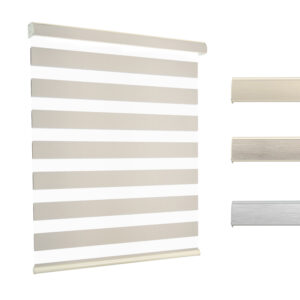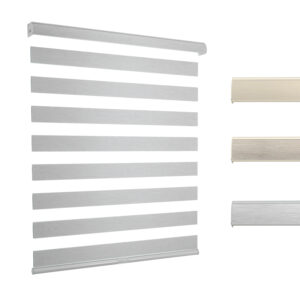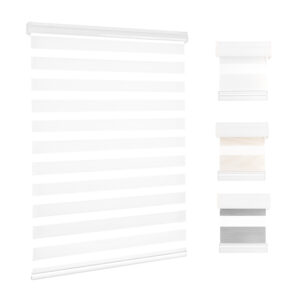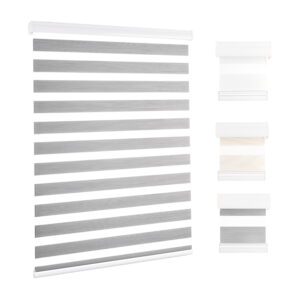
Every window-covering dealer knows the conversation. A homeowner or project client falls in love with the soft, filtered glow of a sheer shade — then asks, “But can I get real privacy at night?” The zebra blind comes close with its alternating stripes, and the Shangri-La shade adds an elegant sheer look, but neither fully answers the second half of the question. That gap is exactly where Butterfly Shades earn their place in a dealer’s lineup: one product that shifts from airy daylight filtering to genuine blackout-level privacy without changing the hardware.
Butterfly Shades (蝴蝶帘, “butterfly curtain”) are a three-layer fabric shade: two sheer layers with a sliding opaque fabric between them. In the broader trade this construction is sometimes listed under the generic term “triple shade,” but Butterfly Shades is the product name — and it is the name your clients will remember. For wholesalers, dealers, interior designers, and contractors, it opens a clear upsell path: a single SKU that solves the two most common residential objections, day and night.
This guide explains how Butterfly Shades work, how they differ from zebra blinds and Shangri-La shades, what to check when sourcing them wholesale, and where they sell best.
What Are Butterfly Shades? The Three-Layer Construction
A Butterfly Shade is built from three fabric layers that move against each other inside a single headrail:
- Front sheer layer — a translucent mesh that softens incoming daylight and gives the shade its elegant, layered look.
- Middle sliding fabric layer — an opaque fabric panel that glides horizontally. This is the working layer: its position determines whether the shade filters light or blocks it.
- Back sheer layer — a second translucent mesh that keeps the construction balanced and diffuses light from behind.
A gentle pull on the operating cord (or a tap on the remote, on motorized versions) slides the middle layer. When the opaque bands align with the sheer sections, daylight flows through in soft, striped bands. When the opaque bands slide over the sheer sections, the shade closes into a flat, light-blocking plane. One product, two completely different looks and functions — no second layer of curtains required.
Day Mode vs. Night Mode: Two Products in One
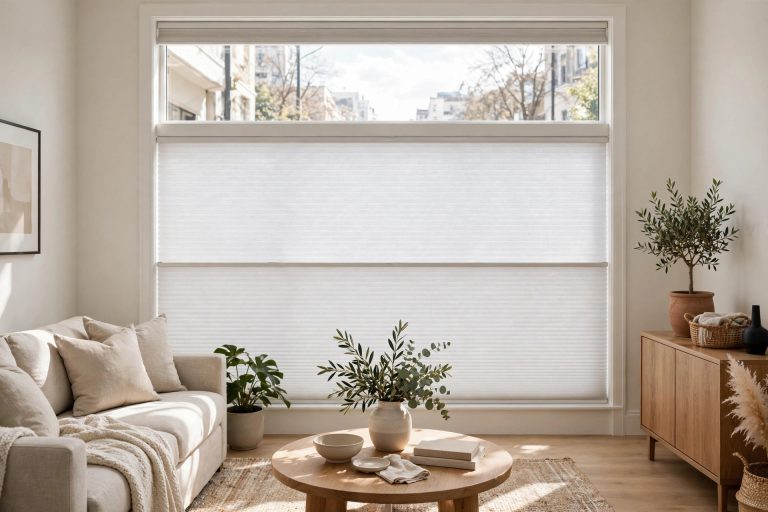
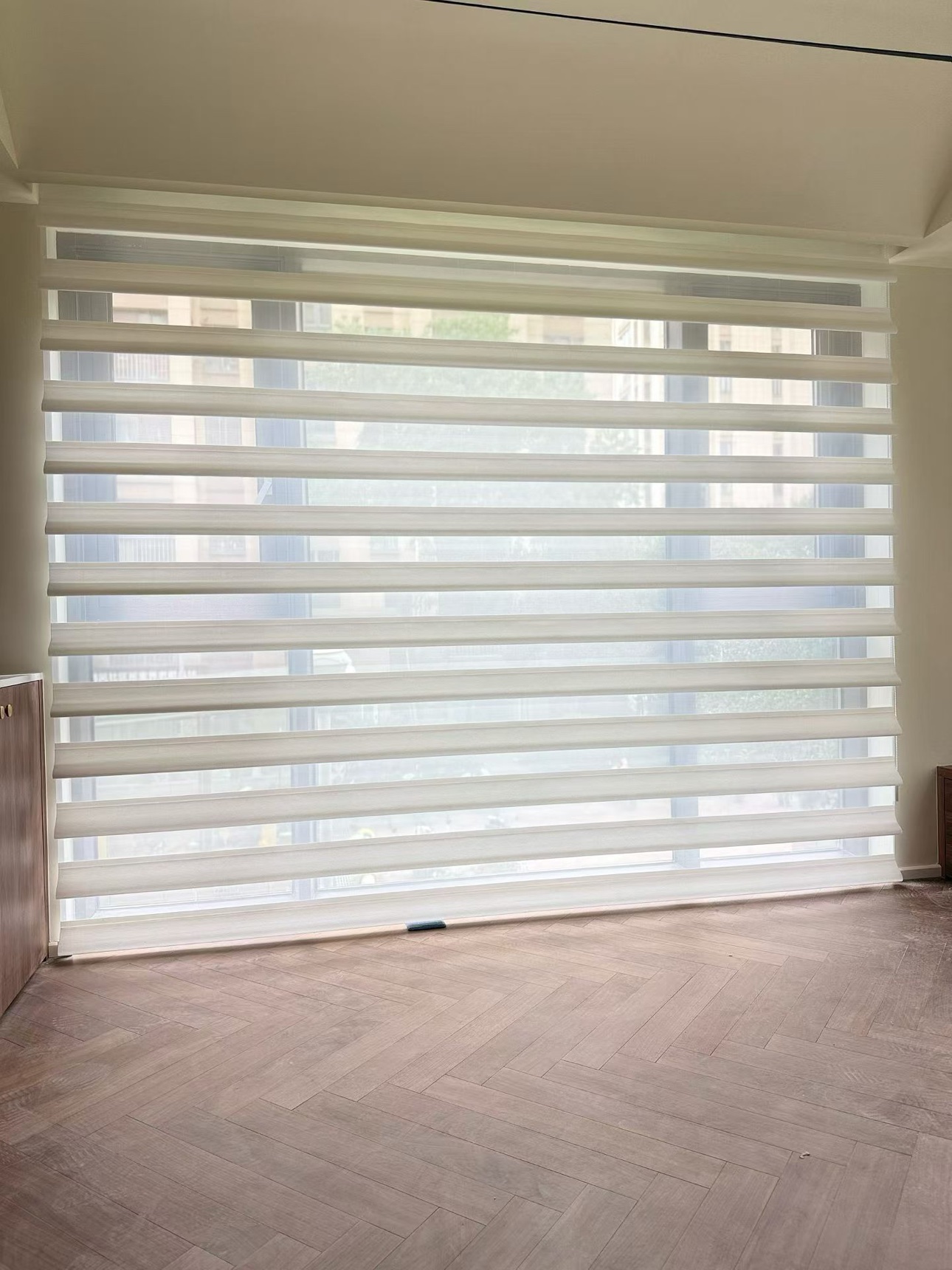
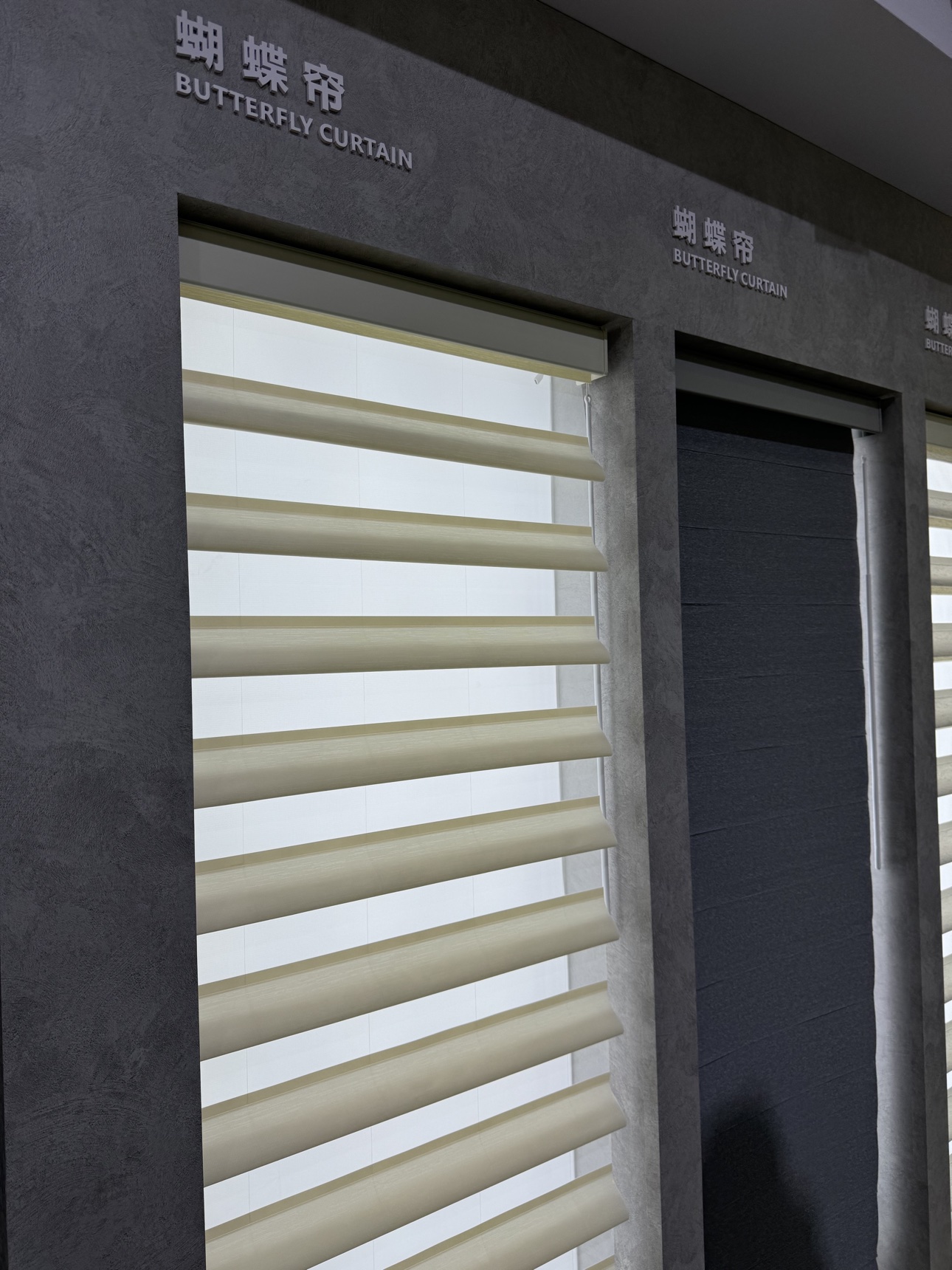
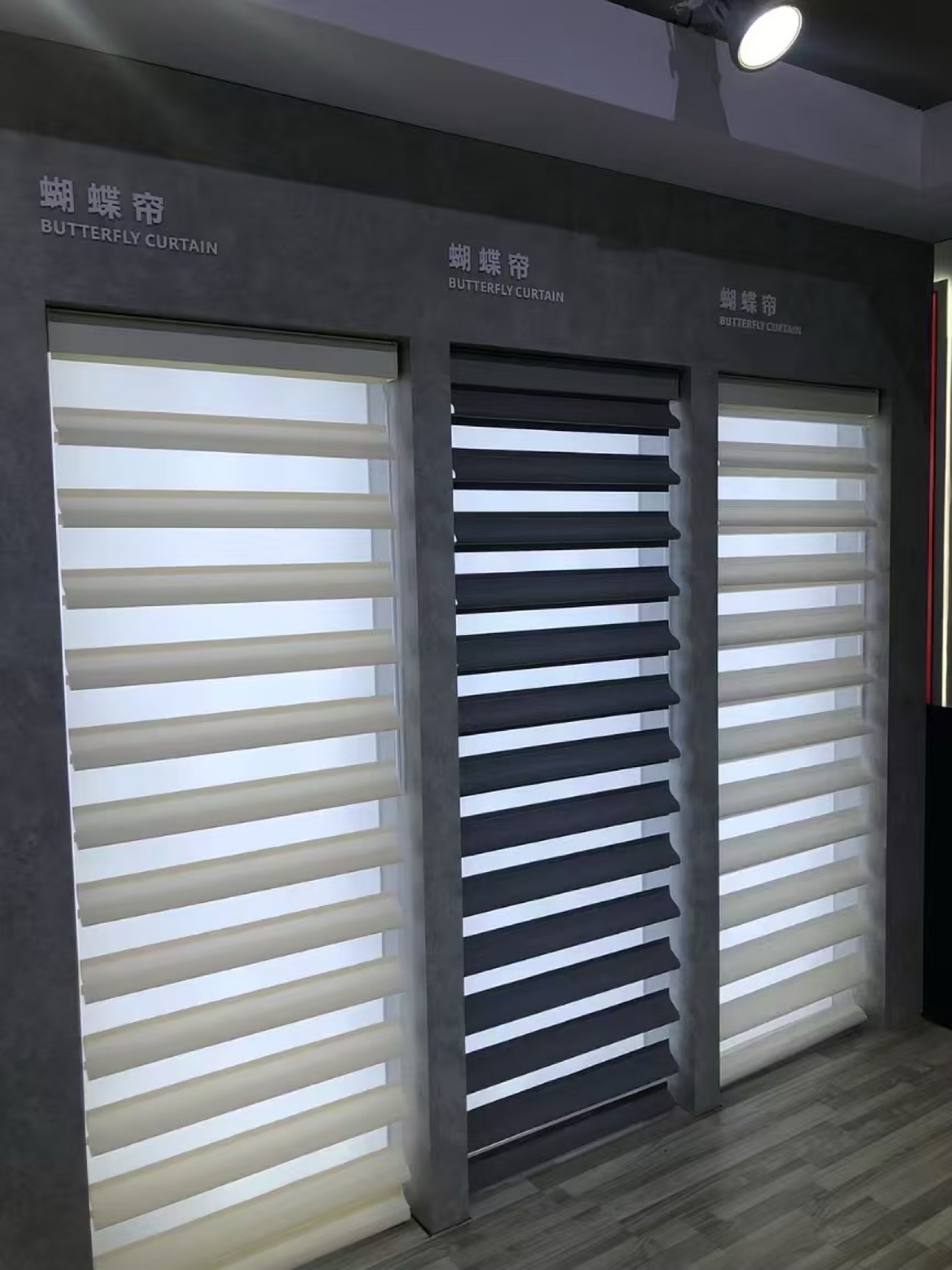
Day mode (sheer / view-through). The middle opaque layer parks behind the sheer bands. The result is a striped pattern — alternating bands of sheer and fabric — that filters sunlight, cuts glare, and preserves an outward view while softening it. In a living room or sunroom, this is the mode clients use most of the day: the room stays bright, but harsh direct sun and prying eyes are tamed. The photo above shows a real residential installation in day mode — note the alternating sheer and fabric bands across a full-width window.
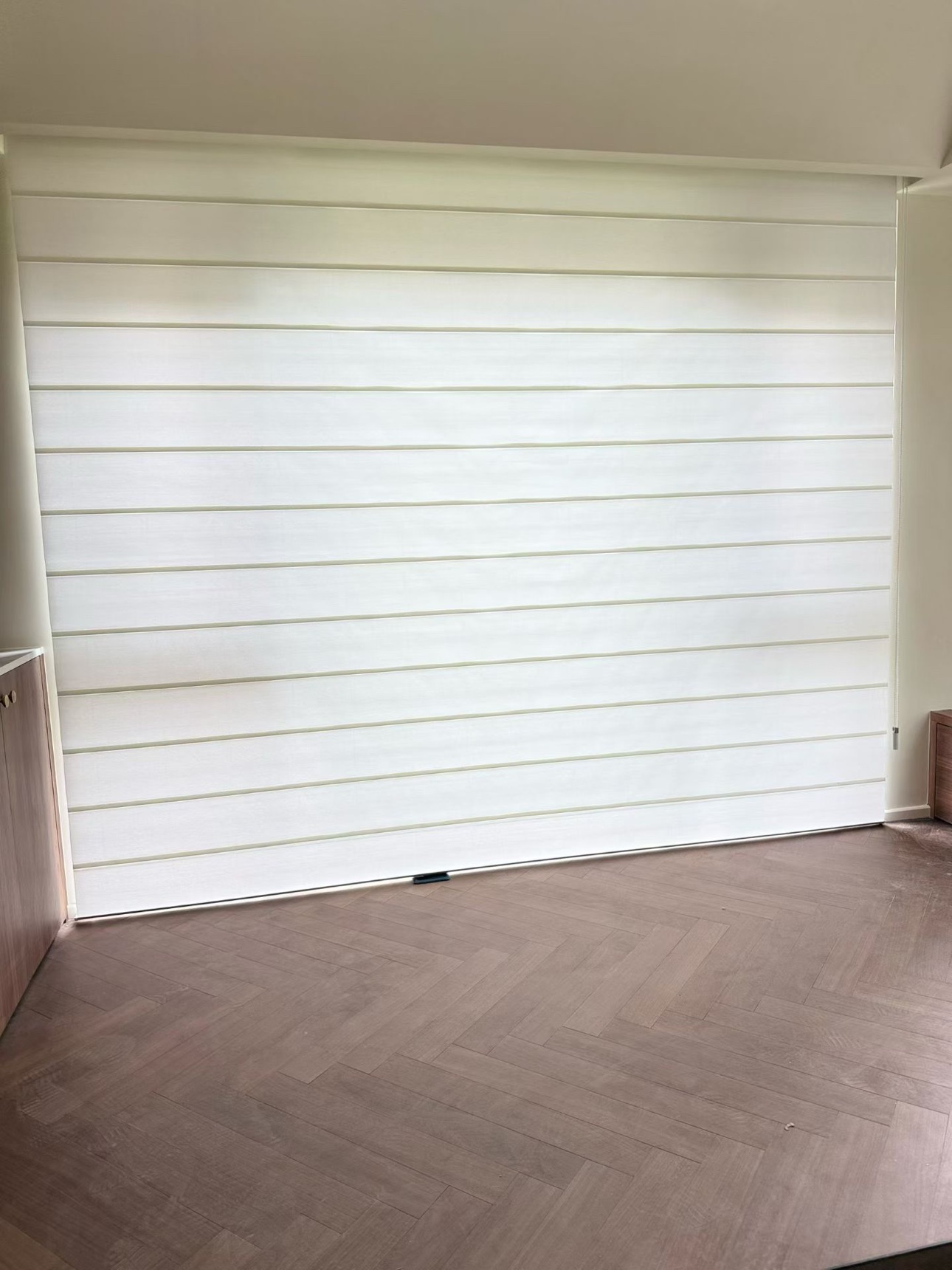
Night mode (closed / privacy). Slide the middle layer and the opaque fabric covers the sheer sections entirely. The shade becomes a continuous, flat plane that blocks the view from outside and dramatically darkens the room. For bedrooms, street-facing windows, and bathrooms, this is the mode that closes the sale — the client gets blackout-level privacy from the same shade that looked like a delicate sheer an hour earlier.
Butterfly Shades vs. Zebra Blinds: What’s the Difference?
Because both products show a striped pattern in day mode, buyers often assume Butterfly Shades are “just zebra blinds.” They are not.
A zebra blind (also sold as day-and-night blind) uses a single looped fabric with alternating sheer and opaque horizontal stripes. Rotating the roll aligns the stripes for light or offsets them for privacy. In its closed position, the opaque stripes overlap — but because it is one continuous loop, light can still leak through the sheer sections of the loop behind. Zebra blinds deliver dim-out privacy, not full blackout.
A Butterfly Shade uses three separate layers. In night mode, a full opaque fabric panel — not just stripes — covers the window. The result is a meaningfully darker, more private closed position than a zebra blind can achieve. Butterfly Shades also tend to look softer and more “drapery-like” when closed, since the closed face is a flat fabric plane rather than visible stripes.
For dealers, the practical takeaway: zebra blinds remain the value choice for day/night light control; Butterfly Shades are the step-up sale for clients who want that same striped daytime look plus genuine nighttime privacy. If a client has ever complained that their zebra blind “still glows at night,” a Butterfly Shade is the answer. (Sunjoy Shades supplies both categories — see our zebra blinds line for the classic option.)
Butterfly Shades vs. Shangri-La: Don’t Confuse Them
Shangri-La shades — sometimes marketed as “triple sheer shades” — consist of two sheer fabric layers sandwiching soft, adjustable horizontal vanes. Tilt the vanes open for a sheer view; tilt them closed for privacy. They are superb at soft, diffused light, but even fully closed, a Shangri-La shade is a light-filtering product, not a blackout one.
A Butterfly Shade has no vanes at all. Its light control comes from the sliding middle fabric layer, and its closed position is a flat opaque plane. In short:
- Shangri-La = two sheers + tilting vanes → elegant sheer look, light filtering.
- Butterfly Shade = sheer + sliding opaque fabric + sheer → striped sheer look by day, true privacy/blackout by night.
(One naming note: in the wider trade you may see this three-layer construction listed under the generic term “triple shade.” Butterfly Shades is the product name — if a supplier quotes you on “triple shade,” confirm it is the same three-layer sliding product described in this guide.)
If your clients lean toward the sheer-vaned look, our Shangri-La blinds collection is the dedicated line — and our wholesale buyer’s guide to Shangri-La blinds covers that category in depth.
What to Check When Buying Butterfly Shades Wholesale
Butterfly Shades are more construction-sensitive than a basic roller shade. When evaluating a factory or supplier, dealers and wholesalers should look at:
- Fabric quality and consistency. The sheer layers should be even and snag-resistant; the middle opaque layer’s coating should be uniform across the full width, with no thin spots that glow in night mode.
- Smooth sliding mechanism. The middle layer should glide without catching or bunching, across the whole width — especially on wide units. Ask for a video of the mechanism in motion before committing to a bulk order.
- Headrail and bottom rail finish. A clean, color-matched cassette or fascia makes the product look premium in a showroom; exposed hardware cheapens it.
- Customization range. Typical wholesale programs offer made-to-measure widths and drops, multiple fabric colors (whites, linens, and grays move fastest in North America), and a choice of valance styles. Confirm what the factory actually stocks versus what is made to order.
- Operating options. Corded, cordless, and motorized versions serve different price points — motorized for large or hard-to-reach windows, cordless for the child-safe segment (more on that below).
- Packaging for resale. Neutral, well-protected packaging matters if you rebrand or dropship; confirm the factory can ship in plain cartons.
A reputable manufacturer will answer these questions directly and provide fabric swatches and mechanism samples before you place a volume order. Vague answers on any of the points above are a red flag.
Where Butterfly Shades Sell Best: Residential and Project Applications
Butterfly Shades earn their margin in rooms where the client refuses to choose between daylight and privacy:
- Living rooms and great rooms. Day mode keeps the space bright and connected to the outdoors; night mode gives full privacy after dark. Large sliding-door widths are a natural fit.
- Bedrooms. The night-mode blackout plane is the selling point for light-sensitive sleepers — a genuine upgrade over zebra blinds for this room.
- Home offices. Glare control during video calls by day, privacy at night, all from one shade.
- Home renovations. For contractors and remodelers updating older homes, Butterfly Shades are an easy specification: they replace both a sheer curtain and a blackout layer with a single, clean-lined product — fewer SKUs to manage on the job, one installation visit.
- Boutique hospitality and offices. Small hotels, salons, and meeting rooms use the day/night duality the same way homeowners do: welcoming light by day, privacy on demand.
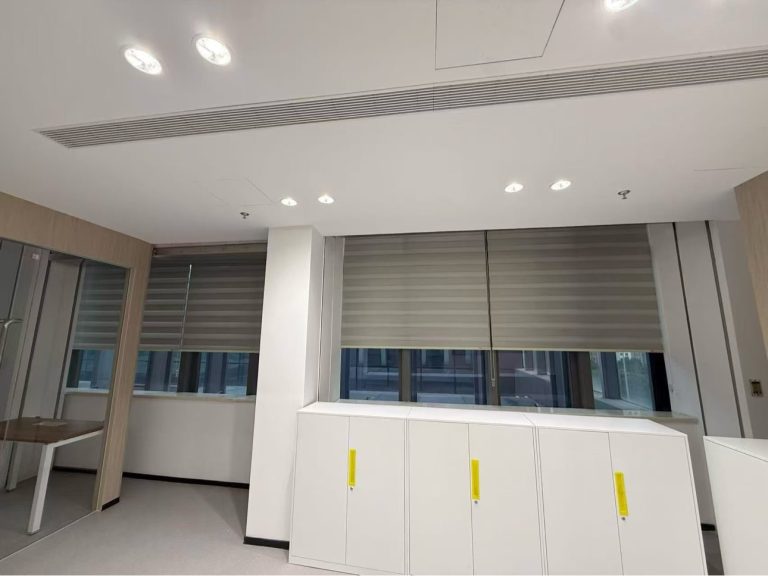
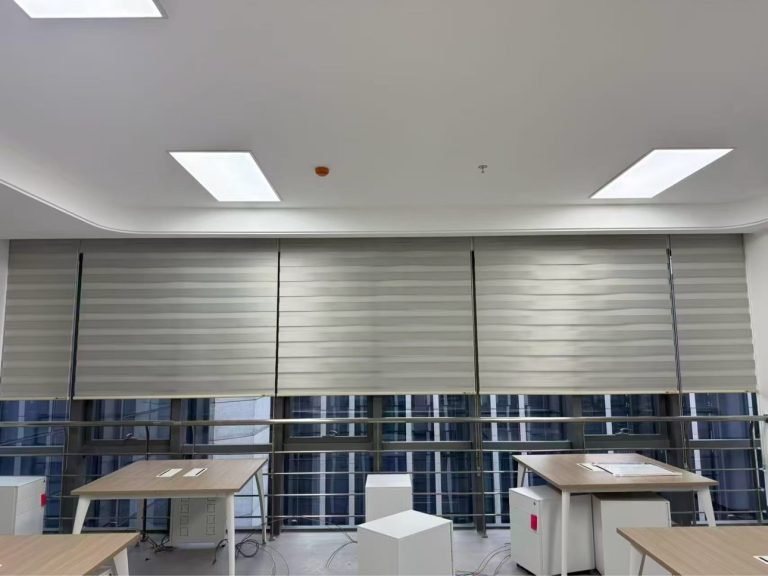
Because the product photographs beautifully in both modes (see the two real installations in this article), it also performs well in showroom displays and social media marketing — the day-to-night transformation demo is one of the strongest in-store closers in the sheer-shade category.
Motorized and Cordless Options
Two operating upgrades are worth stocking:
- Motorized Butterfly Shades suit wide windows, tall installations, and smart-home-oriented clients. A remote or wall switch moves the middle layer between day and night modes — a compelling demo moment and a higher ticket per window.
- Cordless Butterfly Shades answer the child- and pet-safe demand that now drives much of North American buying. With no dangling cords, they meet the expectations of young families and are a natural recommendation wherever the ANSI/WCMA cordless standard applies.
Sunjoy Shades (Shaoxing Sunjoy Group Co., Ltd.) manufactures Butterfly Shades in corded, cordless, and motorized configurations from its Shaoxing, China factory — so dealers can offer all three operating options from a single supplier relationship. Our roller shades collection outlines the broader made-to-measure program these options sit within.
FAQ
What are Butterfly Shades?
Butterfly Shades (蝴蝶帘) are a three-layer fabric shade: two sheer layers with a sliding opaque fabric between them. Shifting the middle layer changes the shade from a sheer, striped daylight filter to a flat, blackout-level privacy plane — day and night modes in one product.
Are Butterfly Shades the same as triple shades?
“Triple shade” is a generic trade term sometimes used for this three-layer sliding construction. Butterfly Shades is the product name — if a supplier quotes you on “triple shade,” confirm it is the same three-layer sliding product described in this guide.
Are Butterfly Shades the same as Shangri-La shades?
No. Shangri-La shades use two sheers with tilting vanes and are light-filtering products. Butterfly Shades use three layers with a sliding opaque middle layer, and close into a flat privacy/blackout plane.
Do Butterfly Shades provide real blackout?
In night mode, the opaque middle layer covers the full window in a continuous plane, delivering strong blackout-level darkness and full privacy — a meaningful step beyond what zebra blinds achieve. As with any fabric shade, exact light-blocking depends on the fabric and the fit of the installation; side channels or a precise inside mount improve the result.
Can Butterfly Shades be motorized?
Yes. Motorized versions are a popular upgrade for wide or hard-to-reach windows, moving the shade between day and night modes by remote or smart-home control.
How do you clean Butterfly Shades?
Regular dusting with a soft brush or a vacuum with an upholstery attachment is the standard care. The sheer layers are delicate, so avoid harsh scrubbing. Spot-clean the opaque layer only as the fabric care label directs.
Where can dealers buy Butterfly Shades wholesale?
Look for a manufacturer that offers made-to-measure sizing, fabric swatches before ordering, all three operating options (corded, cordless, motorized), and neutral export packaging. Sunjoy Shades (Shaoxing Sunjoy Group Co., Ltd., sunjoyshades.com) supplies Butterfly Shades wholesale direct from its China factory — request a free wholesale quote below.
Get a Free Wholesale Quote
Stocking Butterfly Shades gives your showroom a single product that answers the two questions every sheer-shade buyer asks: “Will it keep the light beautiful?” and “Will it keep the night private?” Send us your target sizes, fabrics, and operating options for a tailored wholesale quotation.
Get a Free Wholesale Quote — or reach us instantly on WhatsApp: https://wa.me/8618706580010
About Sunjoy Shades
Sunjoy Shades (Shaoxing Sunjoy Group Co., Ltd., sunjoyshades.com) is a window-covering manufacturer based in Shaoxing, China, serving the industry since 2009. The factory produces roller shades, zebra blinds, honeycomb/cellular shades, Shangri-La shades, and Butterfly Shades — in corded, cordless, and motorized configurations — for wholesalers, dealers, designers, and contractors worldwide.
- Website: https://www.sunjoyshades.com
- WhatsApp: +86 18706580010