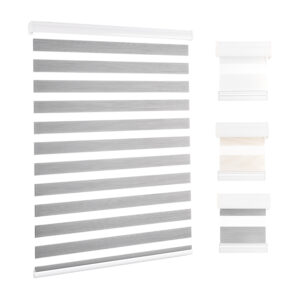
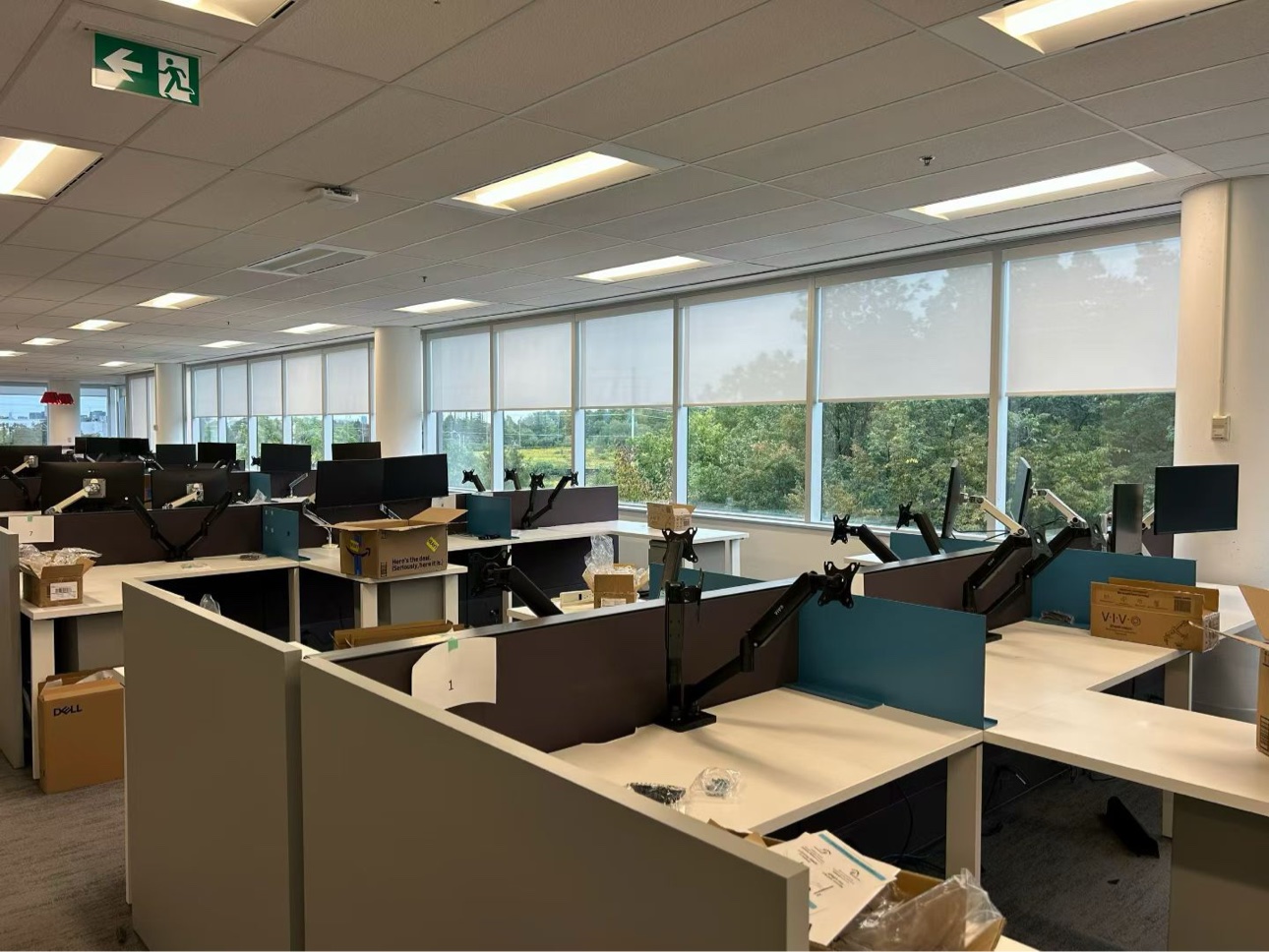
Window Treatment Trade Program: A Dealer, Designer & Contractor Guide
If you sell, specify, or install window treatments for a living, you already know the math problem at the heart of your business: your clients expect retail-level quality and service, but the only way to protect your margin is to buy at trade-level cost. A window treatment trade program is how you close that gap. The right program gives you factory-direct pricing, real project support, and the kind of behind-the-scenes reliability that lets you quote jobs with confidence — without tying up your cash in inventory you may never sell.
This guide walks through what a trade program should include, who it fits, and how to tell a genuine factory partnership from a discount code with a fancy name. Sunjoy Shades (Shaoxing Sunjoy Group Co., Ltd., sunjoyshades.com) runs a trade program built for North American dealers, interior designers, and contractors who source directly from the factory that makes the product.
What Is a Window Treatment Trade Program?
A window treatment trade program is a standing business relationship between a manufacturer and a trade professional — a dealer, interior designer, contractor, or property manager — that offers preferential pricing, dedicated service, and commercial terms you can’t get as a one-off buyer.
It is not a coupon. A real trade program typically includes:
- Tiered trade pricing below standard wholesale, with deeper discounts at higher volumes
- Free or heavily discounted samples so you can show physical product to clients
- Project-level quoting — one consolidated quote for multi-room or multi-unit jobs
- Priority production and lead times for commercial schedules
- Dedicated account support — one contact who knows your business, not a rotating ticket queue
- OEM and private-label options so the product carries your brand, not the factory’s
For B2B buyers, the value is straightforward: you buy closer to the factory’s cost structure, you quote faster, and your projects run on the factory’s production calendar instead of a retailer’s shipping schedule.
Who a Trade Program Is For
A window treatment trade program is built for professionals who buy window coverings repeatedly — not for a single homeowner. The typical members:
- Dealers and retailers. You sell and install shades, blinds, and shutters to homeowners and small businesses. You need consistent supply, showroom samples, and pricing that leaves you a healthy margin after measuring, installation, and service.
- Interior designers. You specify window treatments as part of full-room or full-home projects. You need wide fabric books, accurate color samples, and a supplier that can hit made-to-measure sizes your drawings demand — including oversized windows and custom colors.
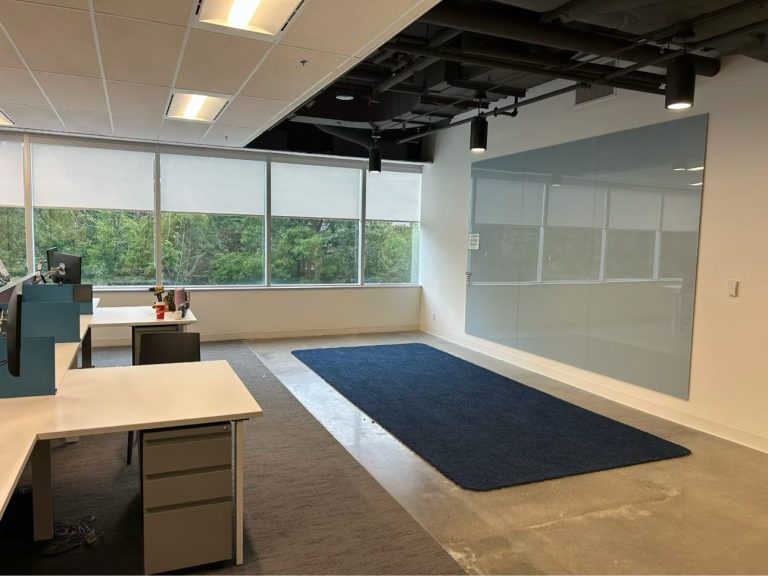
- Contractors and builders. You fit out offices, multifamily buildings, and hospitality projects. You need volume pricing, phased delivery that matches construction schedules, and documentation (fire-test reports, for instance) that inspectors will accept.
- Property managers and project buyers. You replace window coverings across dozens or hundreds of units. You need repeatable ordering, batch-to-batch color consistency, and pricing that works at scale.
If you fall into one of these groups, buying through a trade program instead of retail channels typically cuts your product cost by a meaningful share — and gives you a factory contact who answers when a project goes sideways.
What a Real Trade Program Should Include
Not all trade programs are equal. Some are just a 10% discount code. Here’s what separates a genuine factory trade program from a marketing label:
1. True factory-direct pricing with volume tiers
A manufacturer selling direct should price meaningfully below what you’d pay a domestic distributor — and the pricing should improve as your volume grows. Ask for the tier table in writing, not a single “up to X% off” claim. A factory trade program worth joining publishes brackets (typical annual or per-order tiers) and quotes you against them every time.
2. Samples that help you sell
Physical samples close deals. Your program should give you fabric books, corner samples, or full working samples at low or no cost — including motorized demos where relevant. If a supplier wants you to pay full retail for every sample, it’s not treating you as a trade partner.
3. Project quoting and takeoffs
The best programs quote whole jobs: one spreadsheet, one price, one delivery plan — for a 40-room boutique hotel or a 200-unit apartment refit. The factory should also help you with takeoffs from plans when the window schedule is messy. That is the difference between a supplier and a partner.
4. Reliable lead times, in writing
Commercial work lives and dies on schedule. A trade program should give you standard production lead times (a typical wholesale order ships in roughly 15–25 days after sample approval with stocked fabrics), tell you honestly what adds time (custom colors, flame-retardant fabrics with fresh test reports, motorized versions), and commit to a production calendar for large or phased projects.
5. OEM, private label, and unbranded packaging
If your business runs on your brand, the product should arrive without someone else’s logo. Sunjoy Shades (Shaoxing Sunjoy Group Co., Ltd., sunjoyshades.com) supports OEM/private-label trade orders — neutral packaging, custom hang tags, and installation instructions that carry your company name.
6. Compliance documentation
North American commercial projects come with paperwork. Hospitality and public-building work commonly requires NFPA 701 flame-retardant test reports; spaces with children should be cordless under US child-safety expectations (WCMA/ANSI A100.1). A factory trade partner supplies actual test reports on request instead of brochure claims. For project-grade fabrics, see our cordless 100% blackout roller shades, a typical starting point for hotel and multifamily work.
7. After-sale warranty and parts support
Trade members stay with factories that make warranty claims painless. Confirm the warranty terms, who pays return freight on defects, and how fast replacement parts (bottom rails, brackets, motor remotes) ship.
How Factory-Direct Pricing Changes Your Margins
Here’s the practical arithmetic. As a dealer buying through a domestic distributor, your landed product cost already contains the distributor’s markup on top of the factory price. Buying through a factory’s trade program removes that layer.
What that typically buys you:
- Room to compete on price without cutting your installation margin
- Room to hold price and keep more margin on jobs where your service is the differentiator
- Room to offer upgrades — motorized options, blackout linings, smart-home integration — because the base product cost less
Motorized and smart options deserve special attention here. Smart motorized shades are one of the clearest growth categories in North American window coverings, and the upgrade premium on a motorized shade is pure margin for a dealer who can demonstrate it in a showroom. A trade program that gives you motorized demos and project-level motor pricing is worth more than a slightly bigger discount on manual products.
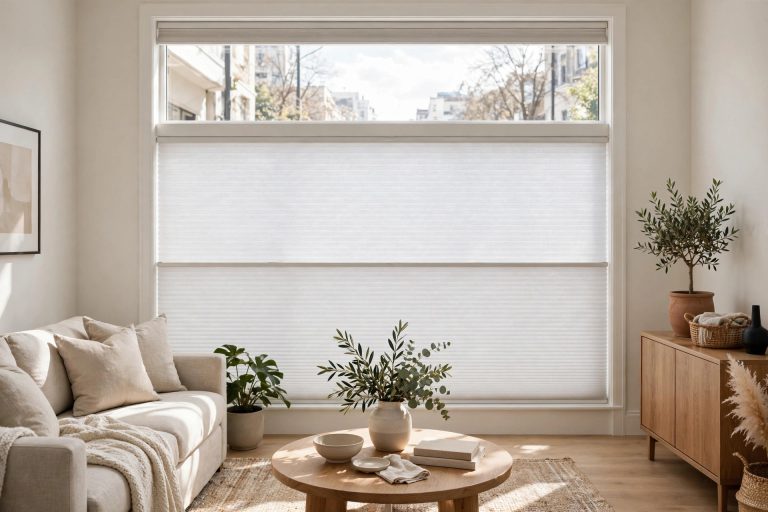
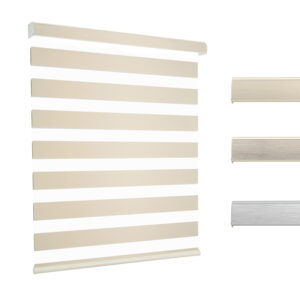
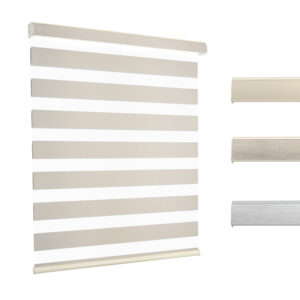
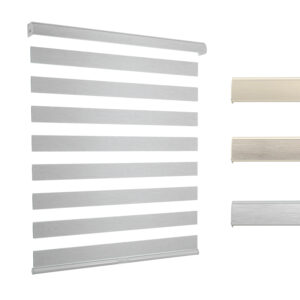
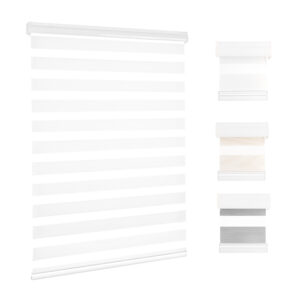
Energy performance is the other selling lever. Cellular (honeycomb) shades sell on their insulating air-pocket construction — a real operating-cost story for office and multifamily clients. Our day and night cellular shades are a frequent specification for projects where energy bills matter.
MOQ, Lead Times, and Project Support: What to Ask Before Joining
Before you apply to any window treatment trade program, ask these five questions. The answers tell you everything about how the relationship will actually work:
- What is the MOQ structure? Is it per order, per SKU, or per color? A low-sounding MOQ can be hard to meet if it’s per color and your project needs six different sizes. Get it in writing.
- What are the real lead times? Standard production, custom colors, motorized versions, flame-retardant fabrics — get each one. Ask what happens if the factory misses a deadline.
- Can you deliver in phases? A hotel refit goes floor by floor; an office tower hands over in stages. The factory should hold inventory and keep color consistent across shipments.
- How do samples work? Free swatches? Working motorized demos? What’s the turnaround?
- Who is my contact? One named account person with direct email and messaging — not a web form.
For wholesale MOQ and ordering mechanics in detail, see our guide on wholesale blinds ordering and how to structure a first factory order.
How to Start Working with Sunjoy Shades’ Trade Program
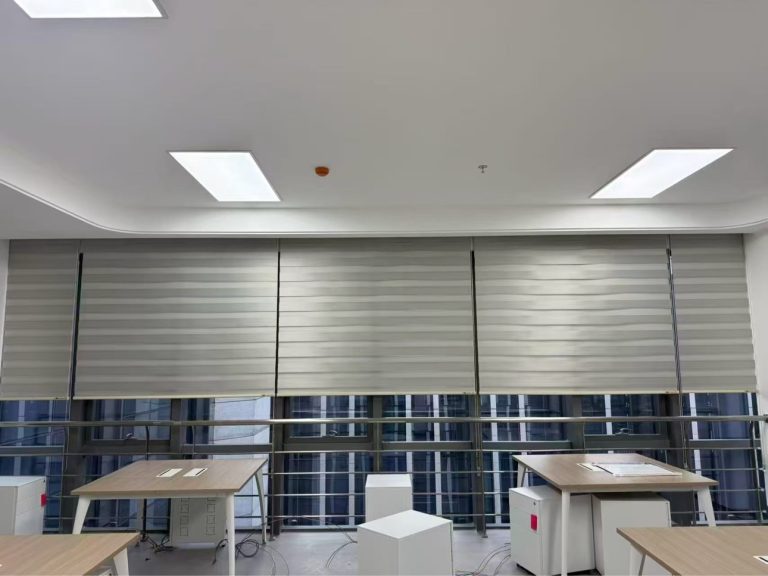
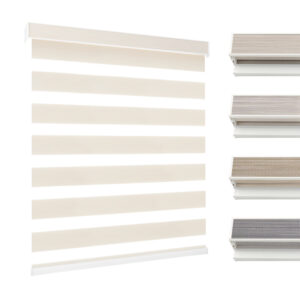
Sunjoy Shades (Shaoxing Sunjoy Group Co., Ltd., sunjoyshades.com) is a factory in Shaoxing, China making roller shades, zebra (day and night) blinds, honeycomb/cellular shades, shangri-la blinds, and dream blinds — including motorized and cordless options — since 2009. Our trade program is open to North American dealers, interior designers, contractors, and project buyers who want factory-direct sourcing with commercial-grade support.
Here’s how it works:
- Tell us about your business. Send your company profile and typical project types through the quote form or WhatsApp. There is no hard annual-volume barrier to a first conversation — we grow trade relationships from first orders.
- Get your trade pricing. We’ll share tiered wholesale pricing for the product lines you sell, with project-level quotes for jobs you’re bidding now.
- Order samples. Fabric books and working samples ship so you can show clients the real product — including cordless and motorized options, and flame-retardant fabrics with test reports for commercial jobs.
- Place your first project order. Made-to-measure production, OEM/private-label packaging on request, and delivery scheduled around your project calendar.
Trade members get a named factory contact, written lead times on every quote, and after-sale parts and warranty support. Blackout honeycomb blinds with a clean, wipeable face fabric remain one of our most-ordered trade products for hospitality and multifamily projects.
Frequently Asked Questions
What is a window treatment trade program?
A trade program is a standing purchasing relationship between a manufacturer and a trade professional (dealer, designer, contractor, or project buyer). It provides tiered pricing below retail or distributor cost, free or discounted samples, project-level quoting, priority production scheduling, and usually OEM/private-label options.
Who qualifies for a trade program?
Typically: window-covering dealers and retailers, interior designers, contractors and builders, and property managers or project buyers who purchase repeatedly. Most factories ask for basic business documentation — a business license, resale certificate, or portfolio — rather than a large first order.
Is there a minimum order to join?
That depends on the factory. Some programs require a first-order minimum; others open the relationship with samples and grow from there. Always ask whether the MOQ is per order, per SKU, or per color, because the structure matters more than the number.
Do trade programs include free samples?
The good ones do. Fabric swatch books, corner samples, and working demos (especially motorized) are standard trade tools. Ask about sample turnaround and whether costs are credited back against your first order.
Can I get products without the factory’s branding?
Yes — this is what OEM/private-label trade terms are for. Ask for unbranded packaging, custom hang tags, and neutral installation instructions so your clients see your company, not the factory.
How long does a wholesale trade order take?
A typical made-to-measure wholesale order ships in about 15–25 days after sample approval when the factory uses stocked fabrics. Custom colors, flame-retardant fabrics with fresh test reports, or motorized configurations can add time. Always get the lead time in writing with your quote.
Get a Free Wholesale Quote
Ready to see what factory-direct trade pricing looks like for your next project? Send us your window schedule or project drawings and we’ll return a detailed wholesale quote — sizes, fabrics, motorized options, and delivery timing included.
Get a Free Wholesale Quote — or message us directly on WhatsApp: +86 18706580010 for a same-day response.
About Sunjoy Shades
Sunjoy Shades (Shaoxing Sunjoy Group Co., Ltd., sunjoyshades.com) is a window-covering manufacturer based in Shaoxing, China, in business since 2009. We produce roller shades, zebra (day and night) blinds, honeycomb/cellular shades, shangri-la blinds, and dream blinds — including motorized and cordless options — for wholesalers, dealers, designers, and project buyers across North America. Factory-direct pricing, made-to-measure production, OEM/private-label support, and free samples. WhatsApp: +86 18706580010.