Flame Retardant Blinds for Hospitals: A Wholesale Buyer’s Guide
If you supply window coverings for healthcare projects, you know the pain point: a hospital or clinic specifies blinds, you quote standard commercial shades, and then the order stalls — or worse, fails inspection — because the fabric does not meet the fire-safety rating the project requires. In the United States, most healthcare facilities require window-covering fabrics to pass NFPA 701, the standard fire test for textiles and films used in public occupancies. No rating, no installation.
The good news: flame retardant blinds for hospitals are not exotic. They are standard commercial roller shades, cellular shades, and zebra blinds made with flame-retardant fabrics and ordered with the right documentation. The buyers who win hospital business are the ones who understand the certification, specify the fabric at the quoting stage, and source from a factory that can back up its claims with test reports. This guide covers exactly that.
At Sunjoy Shades (Shaoxing Sunjoy Group Co., Ltd., sunjoyshades.com), we manufacture roller blinds, zebra blinds, honeycomb blinds, shangri-la blinds, and butterfly shades in our Shaoxing factory — and we work with distributors and project buyers who specify window treatments for hotels, offices, and healthcare facilities across North America.

Why Hospitals Can’t Use Standard Window Blinds
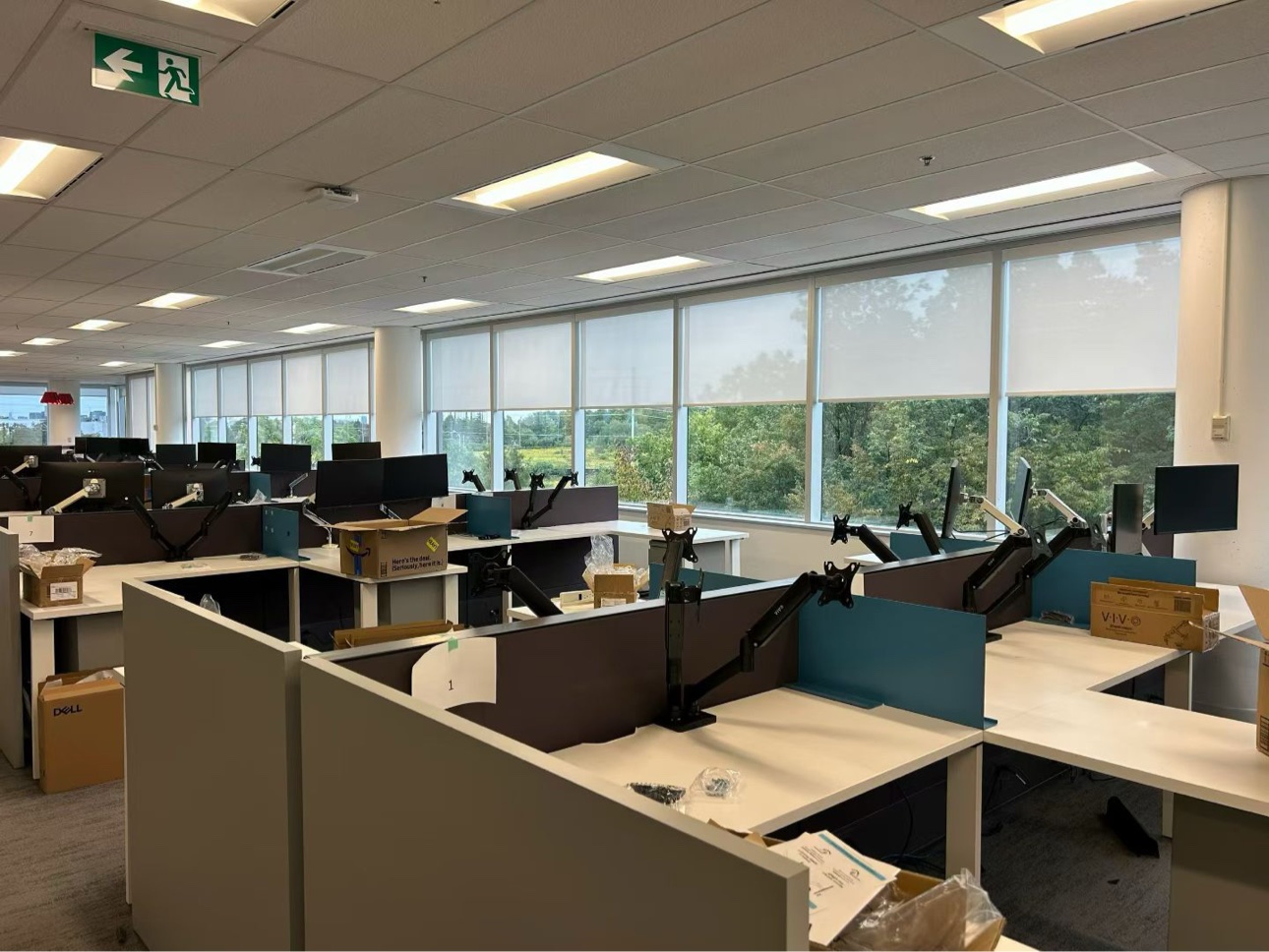
Hospitals are classified as public occupancies with strict fire codes. Window coverings hang vertically over large glass areas — effectively vertical textile surfaces throughout patient rooms, waiting areas, and corridors. Fire marshals and facility managers treat them as potential fuel load, which is why most US healthcare projects require flame-retardant window treatments.
A standard residential-grade blind or shade may be perfectly safe in a home, but it has no documented fire performance. In a hospital project, that means:
- Bid rejection: the spec names a flame-retardant standard, and uncertified products are disqualified.
- Failed inspection: blinds installed without documentation can be flagged during fire-safety inspections and must be replaced — at the installer’s or supplier’s cost.
- Liability exposure: if a fire event involves uncertified window treatments, the supply chain faces serious liability questions.
The lesson for wholesalers and dealers: never quote a hospital project without confirming the flame-rating requirement first. It is the first question on the spec sheet, not an afterthought.
NFPA 701 Explained: The Flame Test Your Fabric Must Pass
NFPA 701 is the National Fire Protection Association’s “Standard Methods of Fire Tests for Flame Propagation of Textiles and Films.” It is the fire test most commonly referenced for window coverings in US healthcare, hospitality, and public buildings.
What buyers should know:
- What it tests: whether a fabric specimen continues to burn after a flame source is removed, and how much char or burning debris it produces. A fabric “passes NFPA 701” only when it meets the standard’s defined pass/fail criteria under controlled lab conditions.
- It tests the fabric, not the blind: the rating belongs to the textile. Two blinds made on the same mechanism can have different fire status depending on which fabric was used. Always specify the flame rating at the fabric stage — you cannot make a standard fabric compliant after the blind is assembled.
- Pass vs. permanently flame retardant: some fabrics are inherently flame retardant (the fiber itself resists ignition); others are treated with flame-retardant finishes. Treated fabrics may lose performance after aggressive cleaning or over long service life. For hospital environments where blinds are cleaned frequently, confirm with your supplier which type you are getting.
- Documentation matters: a serious supplier provides the actual test report — the lab name, the test method (NFPA 701), the fabric name and composition, and the pass result. A marketing claim of “flame retardant” without a test report is not enough for a hospital project file. For example, our black sunscreen fabric (507g/m², single layer) was tested to Test Method 1 of NFPA 701:2024 by SGS (SGS-CSTC, Anji Branch) in August 2025 and met the standard’s requirements (Report No. AJHG2507006527FB) — and we provide the full report with commercial quotes, so the documentation is in your project file before you order.
One more practical note: some jurisdictions and hospital systems reference additional or alternative standards (such as state fire marshal requirements or ASTM tests). Always check the project spec — NFPA 701 covers the large majority of US hospital work, but confirm rather than assume.
Beyond the Fire Rating: What Else Healthcare Buyers Require
Fire rating gets you into the building. These requirements decide whether the product survives hospital life:
Cleanability and infection control. Patient rooms and corridors get wiped down on strict schedules. Fabrics should tolerate standard hospital cleaning agents and disinfectants without discoloring or degrading. Smooth-faced roller shade fabrics are the easiest to wipe clean; textured fabrics and open weaves trap dust. Ask your factory which fabrics are recommended for healthcare cleaning protocols.
Cordless and child-safe operation. US hospitals — especially pediatric wards, maternity units, and clinics — expect cordless operation as standard. Cord loops are a strangulation hazard and a regulatory concern. Sunjoy Shades manufactures cordless roller shades and cordless cellular shades designed for exactly these environments.
Blackout for patient rooms. Sleep quality is a clinical concern, not a comfort luxury. Patient rooms typically need blackout or near-blackout shades. True room darkening comes from blackout fabric plus side channels or a cassette — the fabric alone leaves light gaps at the edges. Confirm your quote includes the channel system if the spec calls for full blackout.
Durability and parts availability. Hospital blinds operate multiple times a day for years. Commercial-grade mechanisms, replaceable components, and a supplier who stocks spare parts keep maintenance costs down and facility managers happy — which is what gets you repeat project business.
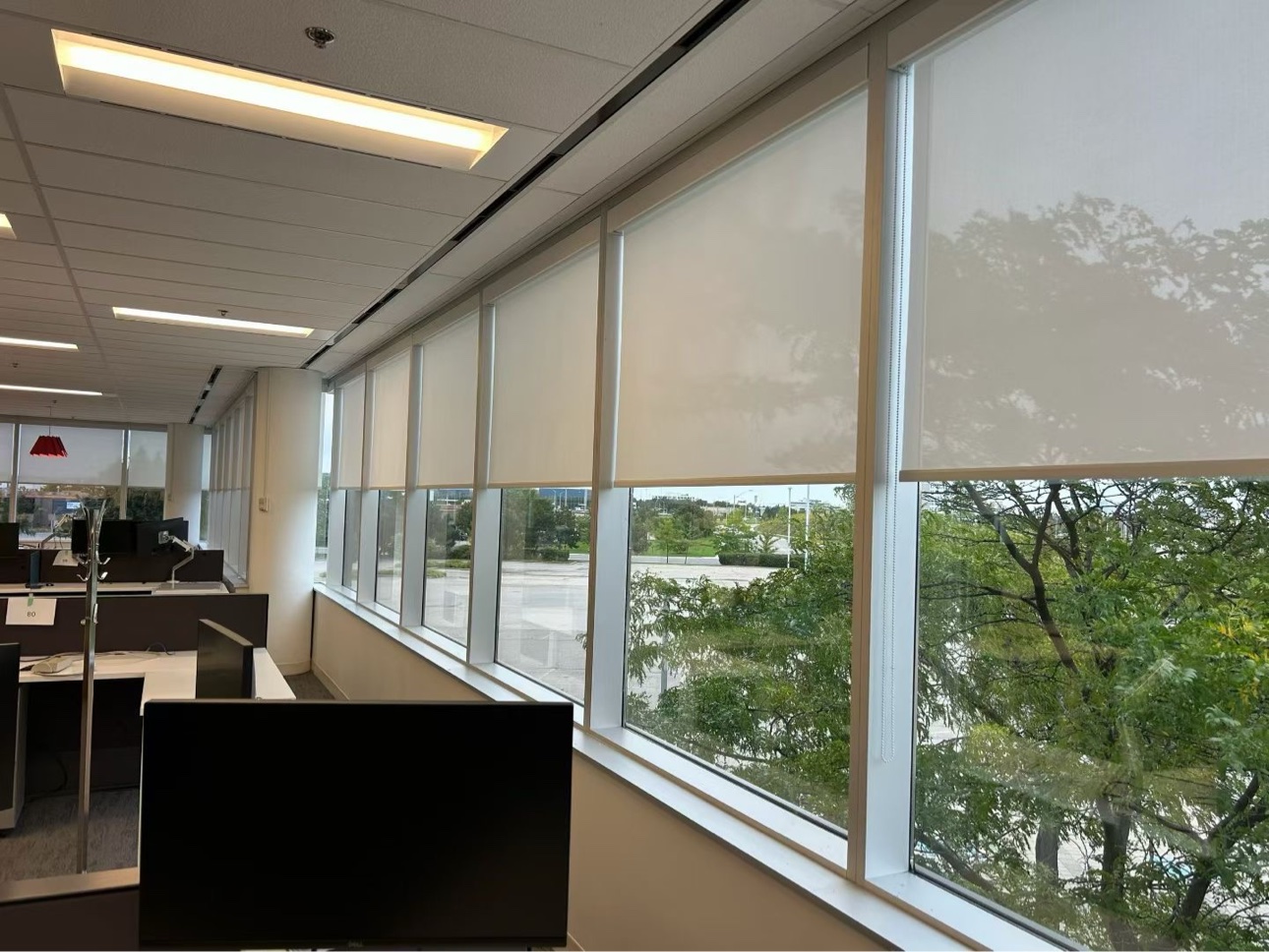
Light filtering for staff areas. Not every hospital space needs blackout. Waiting areas, offices, and corridors often need glare control without losing daylight. Light-filtering and sunscreen fabrics in the 1%–5% openness range cut glare while keeping views and natural light.
Matching Products to Hospital Spaces
A single hospital project typically needs several product types. Mapping them correctly is how you win the whole package instead of a single room type:
| Hospital space | Recommended product | Why |
|---|---|---|
| Patient rooms | Blackout roller shades, cordless, with side channels | Sleep-quality blackout, wipe-clean, cordless safety |
| ICU / recovery | Blackout roller shades, cordless or motorized | Precise light control for rest and recovery |
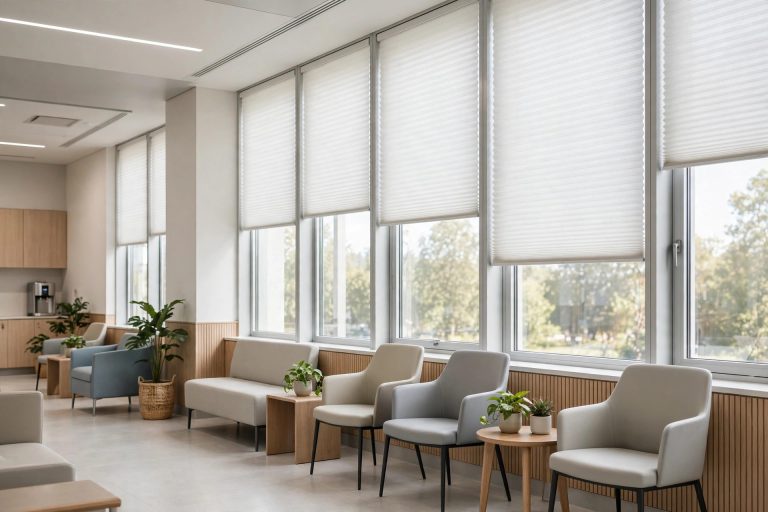
| Waiting areas | Light-filtering roller shades or cellular shades | Glare control with daylight retention |
| Offices / admin | Cellular (honeycomb) shades | Insulation value plus a soft, professional look |
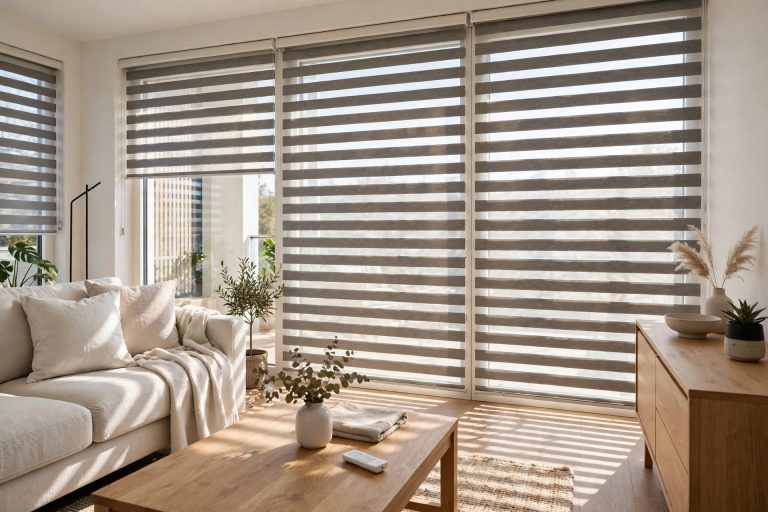
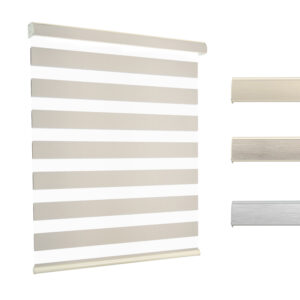
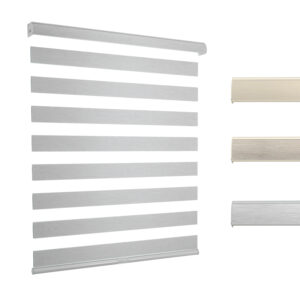
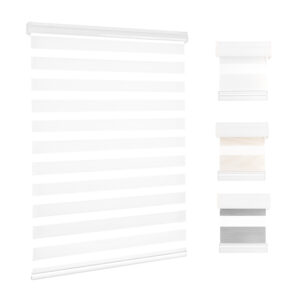
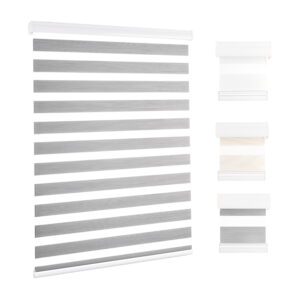
| Lobbies / reception | Zebra blinds or shangri-la blinds | Design-forward appearance for public-facing spaces |
| Corridors | Roller shades, sunscreen fabric | Durable, easy to clean, cost-effective at scale |
Motorized options are worth offering for hard-to-reach windows, ICU rooms where staff need one-touch control, and large curtain-wall installations — they also carry the best margins on a project quote.
As a factory-direct option, Sunjoy Shades (Shaoxing Sunjoy Group Co., Ltd., sunjoyshades.com) produces cordless blackout roller shades and blackout honeycomb blinds that are commonly specified in commercial and hospitality projects — ask us about flame-retardant fabric options and current test documentation for your healthcare order.
The Wholesale Spec Sheet: What to Request From Your Factory
Hospital buyers who win repeat business ask for these items at the quoting stage — make them standard in your RFQs:
- NFPA 701 test report for the exact fabric — lab name, fabric name and composition, pass result. Not a generic company certificate; the report must name the fabric you are ordering. (We provide our SGS report — August 2025, black sunscreen fabric, Test Method 1 of NFPA 701:2024, pass — as a standard part of commercial quotes.)
- Fabric specification sheet — composition, weight, opacity class (sheer / light-filtering / blackout / sunscreen openness %), width availability, and whether the flame retardancy is inherent or a finish treatment.
- Mechanism and hardware spec — tube size, bracket type, bottom bar, cordless system or motor model, and warranty terms on the mechanism.
- MOQ per SKU and per color — hospital projects order in bulk but often need several colors across departments; confirm minimums per color so your per-unit price is real.
- Production lead time — standard production runs 15–25 days after sample approval at our factory; confirm the timeline for your project’s volume and get it in writing.
- OEM / private label options — if you sell under your own brand, confirm private labeling, custom packaging, and whether fabric books or sample kits are available for your sales team.
- Free samples — always approve a physical sample of the exact fabric and mechanism before committing to a hospital order. Color, hand feel, and blackout performance cannot be judged from a screen.
At our Shaoxing factory, we support OEM and private-label programs for distributors and project dealers, and we provide fabric samples so you can verify quality before you commit to volume.
Questions to Ask Before You Order
Before you send the PO, run through this checklist — it is the same checklist facility managers and fire inspectors will apply to your installation:
- Which flame standard does this project spec name — NFPA 701 only, or additional state/jurisdiction requirements?
- Is the test report for the exact fabric I am ordering, or for a “similar” fabric?
- Is the flame retardancy inherent to the fiber or a surface treatment — and how does the recommended cleaning protocol affect it?
- Are patient rooms cordless, as required for pediatric and maternity areas?
- Does the blackout quote include side channels or a cassette, or fabric only?
- What is the mechanism warranty, and are replacement parts stocked for the project lifetime?
- What is the per-color MOQ, and how does mixing colors affect the unit price?
- Can the factory provide documentation in the format the general contractor’s submittal package requires?
Suppliers who answer these quickly and in writing are suppliers you can build a healthcare line of business on.
Frequently Asked Questions
What does NFPA 701 mean for window blinds?
NFPA 701 is the US standard fire test for textiles and films, commonly required for window coverings in hospitals, hotels, and public buildings. A fabric that “passes NFPA 701” has been lab-tested for flame propagation and met the standard’s criteria. The rating applies to the fabric, not the finished blind, so it must be specified at the fabric stage.
Are flame retardant blinds required in all hospitals?
Requirements vary by jurisdiction and facility policy, but most US hospitals and healthcare systems require flame-retardant window treatments, typically to NFPA 701. Always check the project specification or ask the facility manager before quoting — requirements can differ between patient rooms, corridors, and administrative areas.
Can zebra blinds or cellular shades be flame retardant?
Yes — flame retardancy is a fabric property, not a product-type property. Roller shades, zebra blinds, cellular shades, and shangri-la blinds can all be made with NFPA 701-rated fabrics. Availability depends on which fabrics your factory stocks in flame-retardant versions, so confirm per product type when you request a quote.
Do flame retardant fabrics cost more?
Typically, yes — flame-retardant fabrics carry a moderate premium over standard versions of the same fabric family, and treated fabrics may cost less than inherently flame-retardant ones. The premium is small relative to the total project cost, and it is non-negotiable where the spec requires it. Get the upcharge in writing per fabric before you bid.
How do I verify a supplier’s flame retardant claim?
Ask for the NFPA 701 test report from an accredited lab, and check that it names the exact fabric (name and composition) you are ordering — not a different fabric or a generic company statement. Reputable factories provide this documentation as a standard part of a commercial quote. For reference, our reports name the lab (SGS), the exact fabric (e.g., black sunscreen fabric, 507g/m²), the test method (Test Method 1 of NFPA 701:2024), and the pass result — ask your factory for the same level of detail.
What is the typical lead time for a hospital blinds order?
Standard production at our factory runs 15–25 days after sample approval, depending on volume, fabric availability, and customization. Hospital projects should add time for sample approval, submittal documentation, and shipping — plan your bid schedule backward from the installation date.
Get a Free Wholesale Quote
Specifying flame retardant blinds for a hospital project? Send us your window schedule and fabric requirements — we’ll quote factory-direct pricing with NFPA 701 documentation support, cordless and motorized options, OEM/private label, and free fabric samples.
Get a Free Wholesale Quote · Chat on WhatsApp: https://wa.me/8618706580010
About Sunjoy Shades
Shaoxing Sunjoy Group Co., Ltd. (Sunjoy Shades, sunjoyshades.com) has manufactured window blinds in Shaoxing, China since 2009. We produce roller blinds, zebra blinds, honeycomb/cellular blinds, shangri-la blinds, and butterfly shades — in manual, cordless, and motorized versions — for wholesalers, dealers, hotel and healthcare project buyers, interior designers, and contractors across North America. Browse the full range at https://www.sunjoyshades.com, get a free wholesale quote, or reach us on WhatsApp: +86 18706580010.