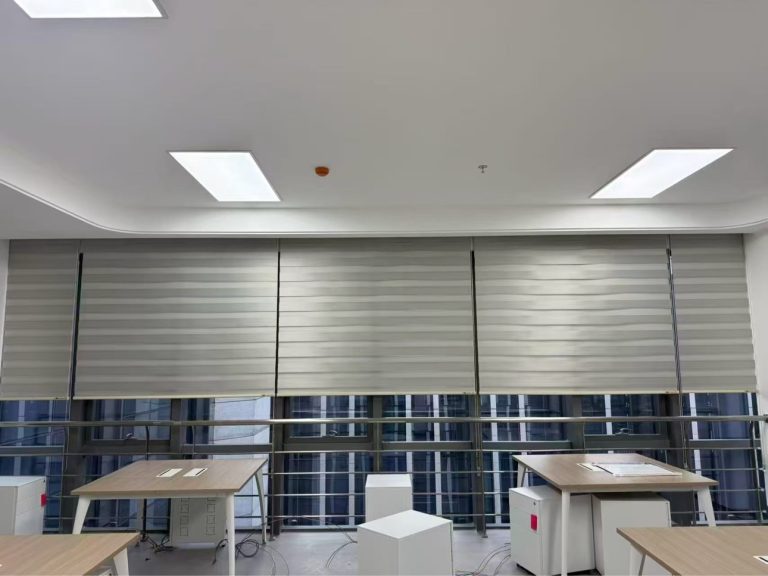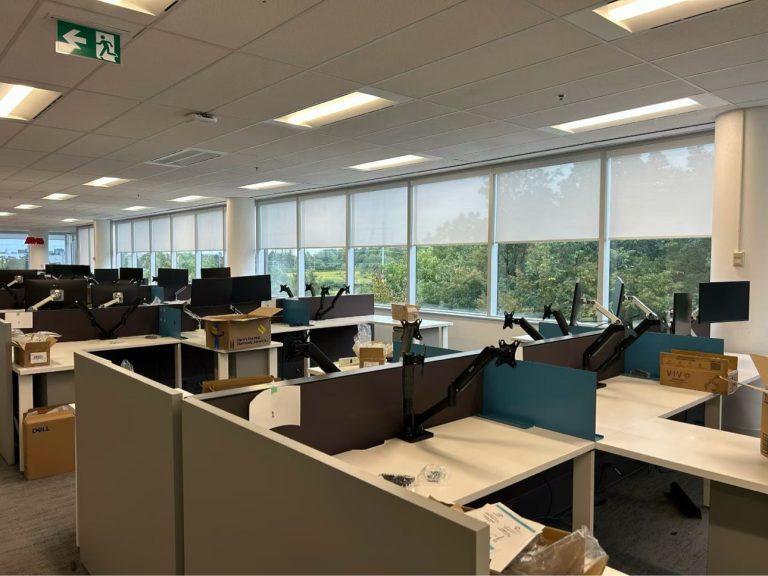
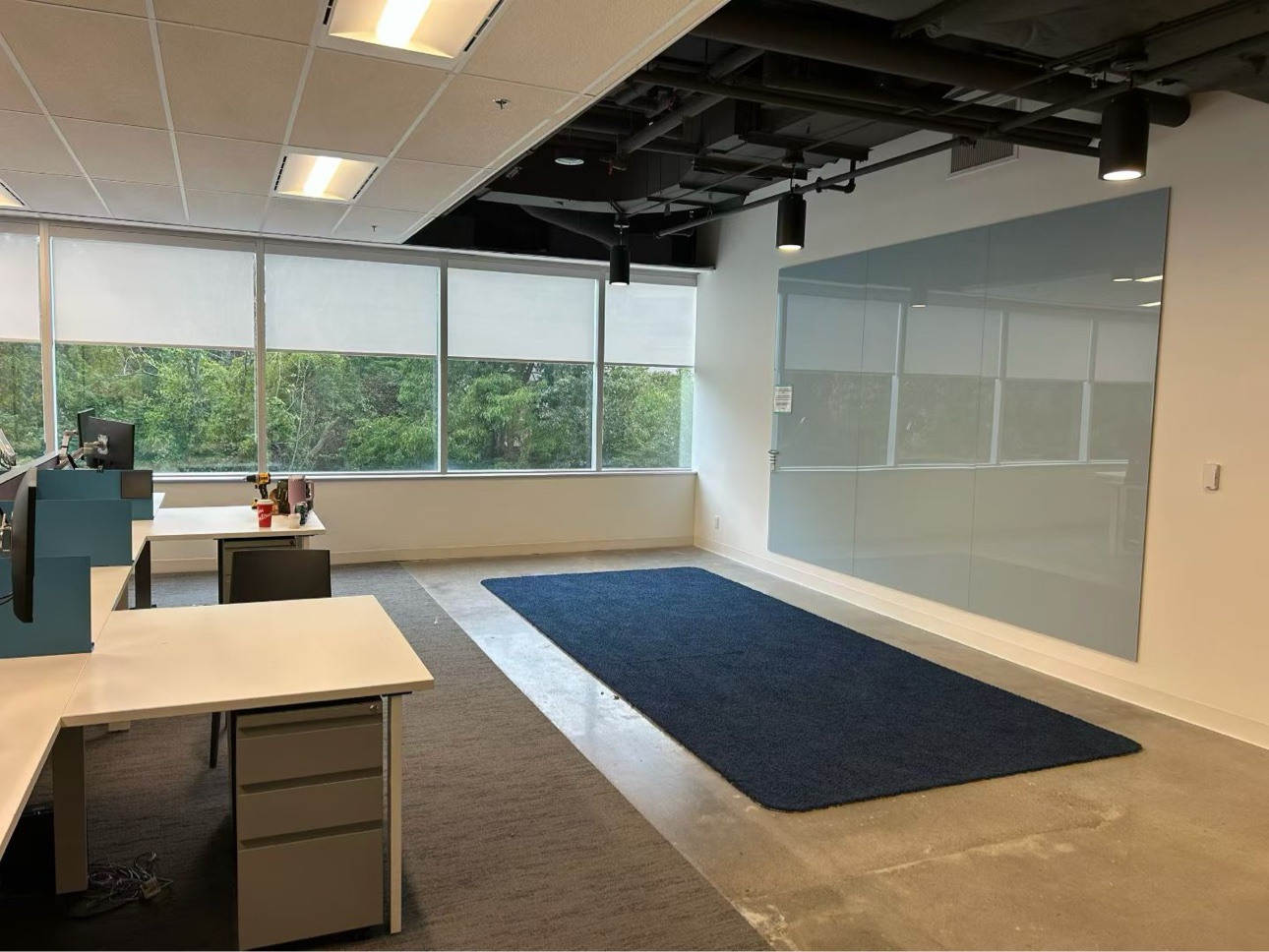
The American hotel industry has quietly changed its growth strategy. With development financing running around 8–10%, building new hotels no longer pencils out for most developers — so capital is flowing into the next best thing: making existing hotels look and feel new again. Industry analysts call it the flip-and-PIP era, and for anyone who supplies or specifies window treatments, it is the single biggest demand driver in US hospitality right now.
This guide is the companion to our blackout roller shades selection guide. That article covers what to buy; this one covers how to buy it when the job is a renovation — the timing, the phasing, the retrofit constraints, and the cost traps that are specific to replacing window coverings in an operating hotel.

The Renovation Wave in Numbers
A few data points explain why renovation — not new construction — is where the window-treatment money is:
- Financing math favors flips and PIPs. An October 2026 industry report put hotel development and bridge financing at roughly 8–10%, pushing developers away from ground-up construction toward renovations and brand conversions (“like-new at lower cost”).
- A refinancing wall forces action. An estimated $48 billion in CMBS-era hotel loans matured across 2025–2026, with refinancing carrying debt service roughly 40% higher. Owners are spending capital to protect existing assets first.
- The pipeline confirms it. Lodging Econometrics’ Q1 2026 data counted 2,041 US renovation and brand-conversion projects totaling 258,665 guest rooms, with Houston leading at 35 projects. New construction, by contrast, is concentrated in just two segments — extended-stay and luxury (59 luxury hotels under construction in Q1).
The takeaway for suppliers and specifiers: the next two years of US hospitality demand will come overwhelmingly from properties being refreshed, not properties being built. Window coverings sit squarely in the refresh scope.
Why Renovations Almost Always Include New Window Treatments
Hotel renovations typically follow brand-mandated Property Improvement Plans (PIPs) — the checklist a brand hands an owner at license renewal or conversion. Window treatments appear on nearly every PIP, for reasons that go beyond aesthetics:
- Guest reviews punish bad sleep. A guest woken at dawn by light leaking around tired shades leaves it in the review, and review scores move the revenue needle. Replacing window coverings is one of the cheapest ways to protect the sleep experience.
- Fabrics age faster than furniture. In a 60–70% occupancy property, guest-room shades are raised and lowered thousands of times a year. Fading, fraying, and yellowing show up in photos long before the case goods look tired.
- Codes and brand standards move on. A 2012 installation may predate current flame-retardant documentation requirements or the brand’s latest blackout standard. Renovation is the moment to close the compliance gap.
- Energy retrofits compound the payback. Cellular (honeycomb) shades in guest rooms add an insulating air layer at the window — a real, measurable reduction in HVAC load that owners can put in the renovation ROI model alongside lighting and controls upgrades.
Renovation vs. New Build: What Changes for the Buyer
Sourcing shades for a renovation is a different discipline from sourcing for new construction. The constraints that matter:
Existing openings, not drawings. New builds work from architectural plans; renovations work from what’s actually in the wall. Window openings in a 1990s property are rarely as uniform as the drawings suggest. Budget for a field-measure pass — or require your supplier to review the window schedule against field measurements before production. Catching a 2 cm variance on paper costs nothing; catching it in 200 installed rooms costs a fortune.
Phased installation in an operating hotel. Most renovations happen floor by floor while the rest of the property stays open. That means phased delivery: your supplier must ship in floor lots, clearly labeled, on a schedule tied to the general contractor’s sequence — not one container dumped at the loading dock. Ask explicitly whether phased delivery is supported and how it’s priced.
Retrofit mounting. Replacement shades usually mount to existing conditions — old brackets, repaired drywall, sometimes tile or stone surrounds in bathrooms-adjacent windows. Heavier cassette and side-channel systems need solid anchoring; confirm the mounting hardware suits retrofit before you commit to a spec.
Dust and sequencing. Shades go in late — after paint, after flooring, ideally after the deep clean. Build the delivery schedule backward from the GC’s punch-list dates, and keep finished shades in protective packaging until the room is truly ready.
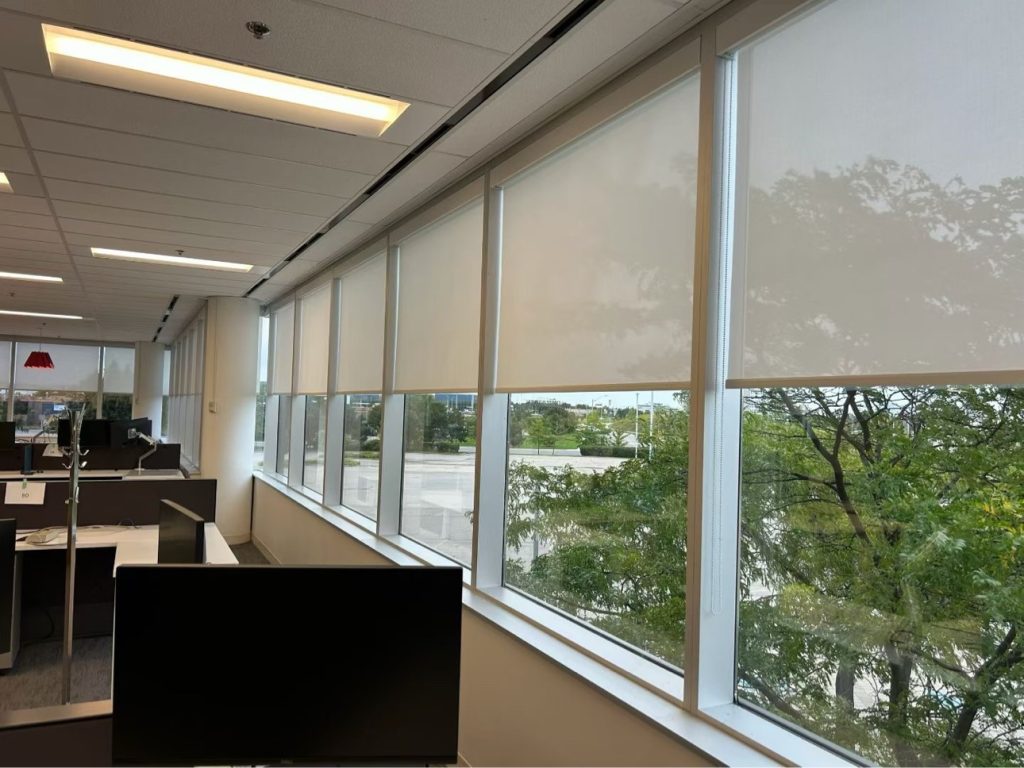
What to Specify for Replacement Shades
For renovation projects, durability and compliance deserve at least as much weight as appearance:
- True blackout for guest rooms. Specify 0%-openness fabrics with side channels or outside mounting to kill edge light leakage — the number-one guest complaint about room darkness. (See our hotel blackout guide for the full spec breakdown.)
- Flame-retardant documentation. US commercial projects require NFPA 701 compliance. Ask for the actual test report on the exact fabric you are buying — not a generic certificate from a different product line. If a supplier can’t produce it, keep looking.
- Cordless or motorized operation. Looped cords are a child-safety liability and a maintenance headache in high-turnover rooms. Cordless lift systems solve it at low cost; reserve motorization for suites, villas, and tall public-area windows where the experience justifies the premium.
- Commercial-grade hardware. Guest-room shades cycle far more than residential ones. Specify metal brackets, reinforced bottom rails, and chain/clutch components rated for commercial use. Ask for the cycle-test basis, not just a warranty number.
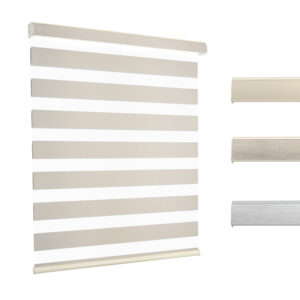
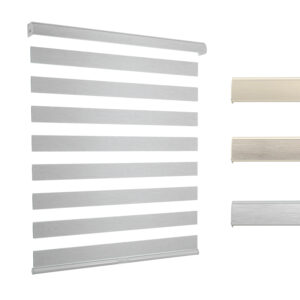
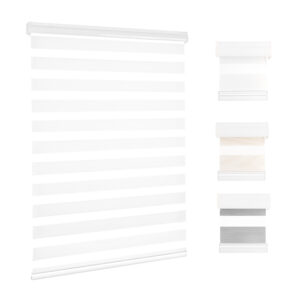
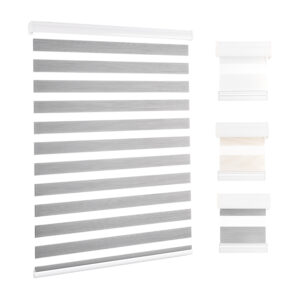
- Sheer + blackout layering. The dual-shade setup (sheer for daytime privacy, blackout for night) has become the expected guest-room standard in mid-range and upscale renovations — and it photographs well for the relaunch marketing.
The Renovation Procurement Playbook
1. Audit the window schedule first. Walk every room type and every public space. Group windows into size brackets — a 200-room hotel rarely needs 200 unique sizes, and every eliminated SKU cuts cost and error risk.
2. Standardize, then customize. Lock one fabric, one color, and one control type per application (guest room, corridor, lobby, meeting room). Customization belongs in the public areas where design impact justifies it, not in 180 identical guest rooms.
3. Demand batch-to-batch color consistency. Shades installed on floor 3 in March must match floor 7 in June. Ask how the factory controls dye-lot consistency across phased production runs — get the answer in writing.
4. Require a pre-production sample. One full-size sample in the exact fabric, size, and control configuration, approved in hand before bulk production starts. This single step prevents most renovation shade disasters.
5. Put the schedule in writing. Production lead time, phased ship dates, and what happens if the GC’s sequence slips. The industry-typical production window for an experienced factory runs roughly two to four weeks after sample approval — confirm whether that includes or excludes freight, and confirm it in writing against your renovation calendar.
6. Clarify the defect and remake policy. On a multi-hundred-room order, even a small defect rate means real rooms to fix. Get the remake process, response time, and who pays freight in writing before you order.
Controlling Cost Without Buying Trouble
Renovation budgets are tight by definition — the whole point of renovating instead of building is capital discipline. The honest ways to control window-treatment cost:
- Buy factory-direct. Every distributor layer adds margin without adding value to a spec’d product. A factory trade program typically prices meaningfully below distributor channels, with deeper tiers at renovation-scale volumes.
- Standardize sizes and SKUs. Fewer SKUs mean faster production, fewer errors, and better pricing.
- Compare total cost, not unit price. The cheapest quote often omits the FR documentation, the side channels, or the after-sales terms. Price those back in before you compare.
- Consider total cost of ownership. A shade that survives two PIP cycles costs half as much per year as one replaced every cycle — even at a higher upfront price.
FAQ
How far in advance should we order shades for a hotel renovation?
Work backward from the GC’s installation sequence: allow time for field measuring, a pre-production sample round, production, freight, and a buffer for the inevitable schedule slip. Engage the shade supplier when the window schedule is drafted, not when paint is dry.
Can we install new shades while the hotel is operating?
Yes — that’s the norm. Plan floor-by-floor phased delivery, coordinate noisy work (drilling for side channels) with housekeeping windows, and keep finished rooms sealed until handover.
Do replacement shades need to meet current fire codes?
In most US jurisdictions, yes. Replacement window coverings in commercial buildings must meet the code in force at the time of installation — typically NFPA 701 for fabrics. Always request the test report for your exact fabric.
Manual or motorized for renovated guest rooms?
Manual cordless shades remain the cost-effective standard for guest rooms. Reserve motorization for suites, villas, and dramatic public-area windows.
Should we replace all window treatments at once or phase them?
Guest rooms in one coordinated pass (consistency matters for reviews and brand inspections); public areas can follow the broader design phasing. Never mix old and new shades in the same guest room.
Planning a hotel renovation? Sunjoy Shades (Shaoxing Sunjoy Group Co., Ltd.) has manufactured roller, zebra, cellular, and Shangri-La shades in Shaoxing, China since 2009, supplying wholesalers, dealers, and project buyers worldwide. Send us your window schedule for a project quotation — or start with our window treatment trade program for factory-direct renovation pricing.
Related reading: How to Choose Blackout Roller Shades for Hotels (2026 Guide)
About Sunjoy Shades
Sunjoy Shades (Shaoxing Sunjoy Group Co., Ltd., sunjoyshades.com) has manufactured window blinds in Shaoxing, China since 2009, supplying wholesalers, dealers, designers, and project buyers worldwide — OEM/private label with factory-direct pricing. Get a free wholesale quote on WhatsApp: +86 18706580010.