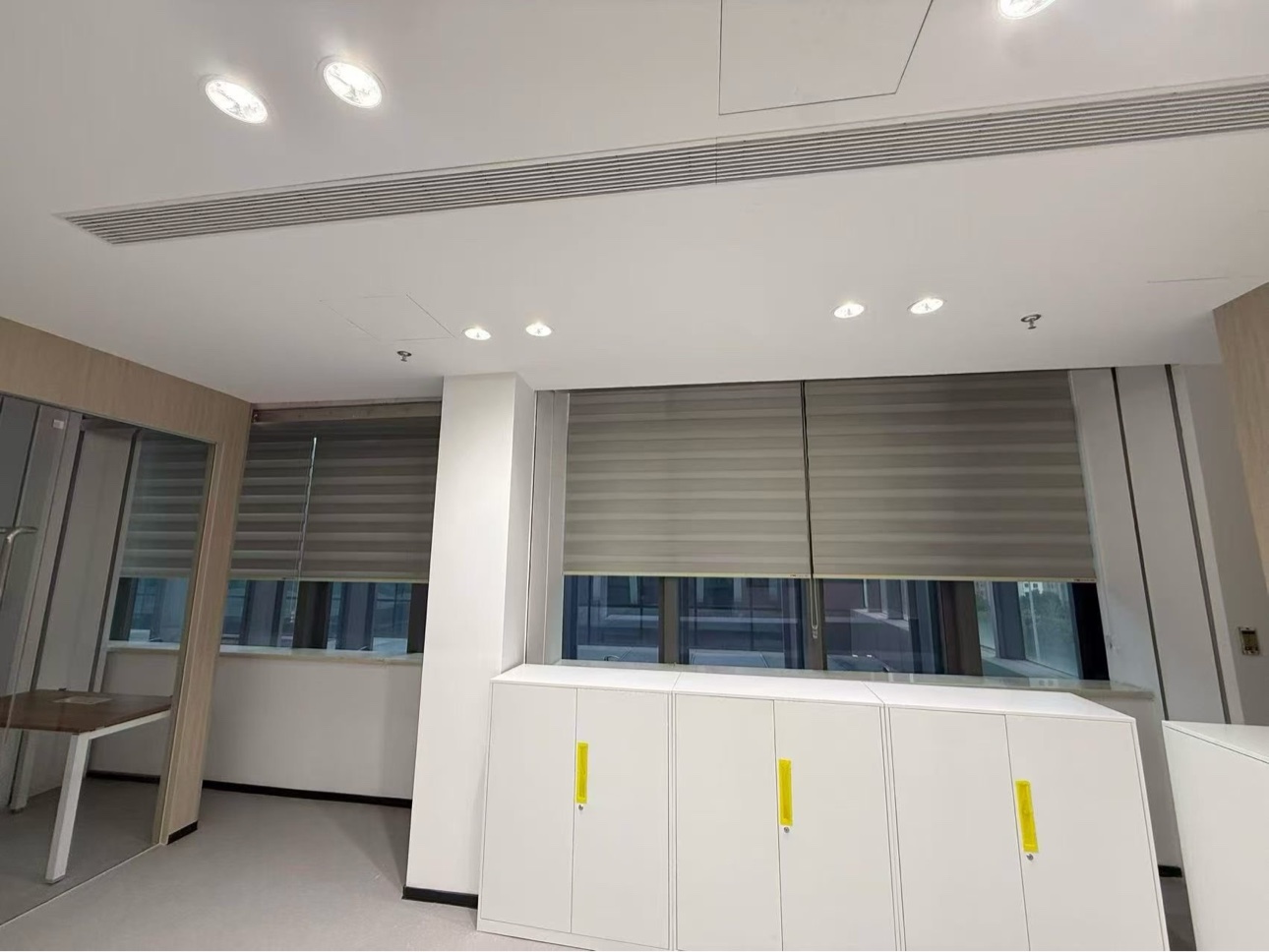
Day and Night Blinds Wholesale: A B2B Buying Guide for Dealers and Contractors
Running out of stock on your best-selling zebra style, or fielding complaints about cords and light gaps? Most North American dealers and contractors searching for day and night blinds wholesale have the same pain points: inconsistent fabric quality, complicated motorization, child-safety compliance, and unclear fire ratings for commercial installs. This guide translates real buyer feedback from Amazon listings and independent B2B buying guides into an actionable checklist, so you can source zebra/day and night blinds from Sunjoy Shades with confidence.
1. What Day and Night Blinds Really Are (and What Buyers Expect)
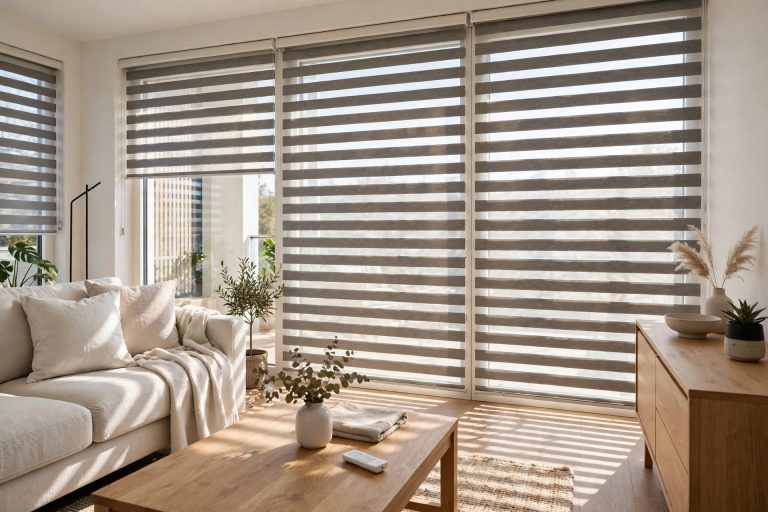
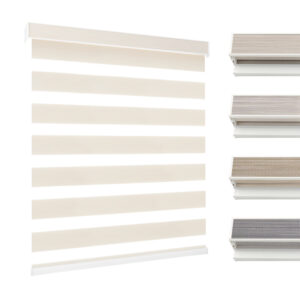
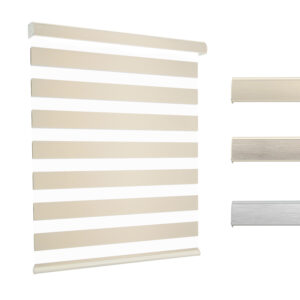
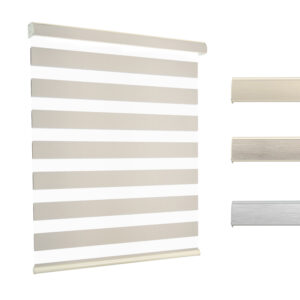
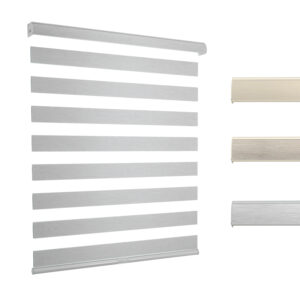
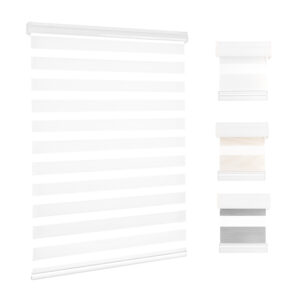
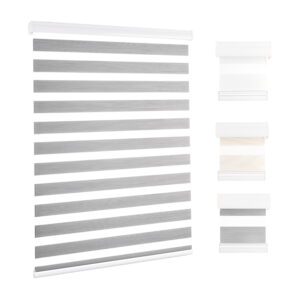
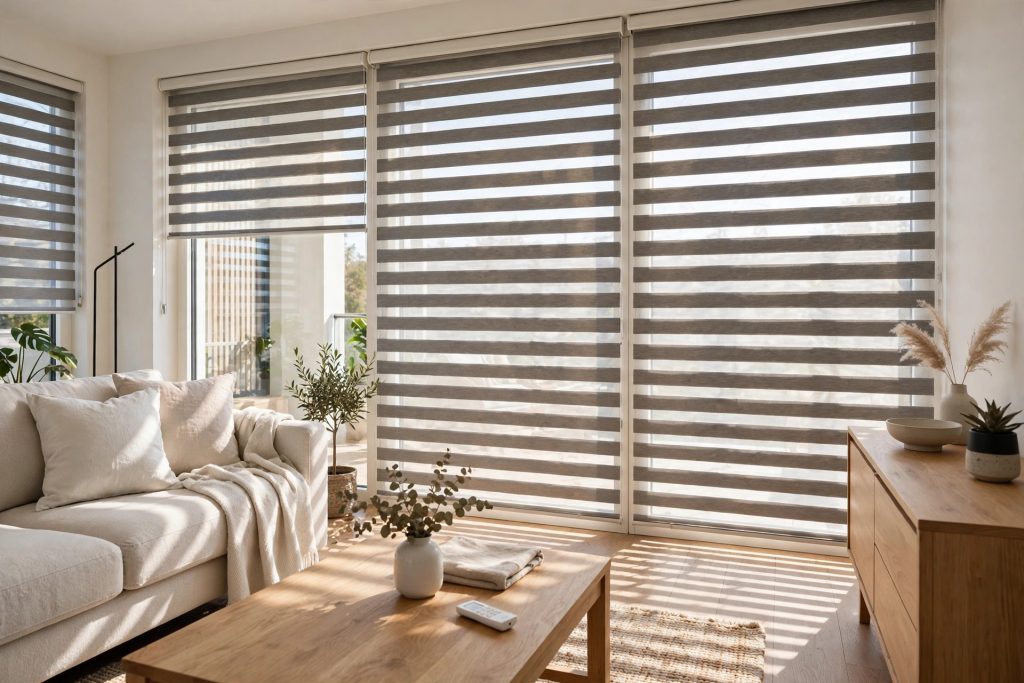
Day and night blinds — also called zebra, dual-layer, or day-night blinds — use alternating sheer and solid fabric bands to adjust light without raising the shade. B2B buyers consistently ask for: smooth band alignment out of the box, low light-gap sides for bedrooms, and a mechanism that does not shift when motorized. We build them at Sunjoy Shades (Shaoxing Sunjoy Group Co., Ltd., sunjoyshades.com) with tight tolerance rollers and color-matched end caps to minimize reworks on site.
The complaints that surface most in buyer reviews are worth knowing before you order: bands that arrive misaligned (the sheer and solid stripes don’t line up at the bottom rail), fabric edges that curl after a few months in sunny windows, and color drift between production batches — a real problem when a hotel orders 200 rooms in two shipments. When you evaluate samples, check band alignment at three positions (fully closed, half-open, fully sheer), flex the fabric edge to feel the coating stiffness, and ask whether the factory cuts from the same dye lot for your full order. These three checks catch most of the quality problems that generate returns.
Housing style matters too. Open-roll day and night blinds are the price-competitive default, but fascia/cassette versions sell better for bedrooms and premium listings because they hide the roll and block the top light gap. If your customers are design-oriented, ask your supplier for cassette options in matching or white finishes — it changes the perceived value of the same fabric.
2. Cordless and Child-Safe Design: US & Canada Requirements
Amazon reviews and contractor Q&As repeatedly flag exposed cords as a deal-breaker for multi-family and rental jobs. US expectations focus on cordless or motorized-only controls for bedrooms and rentals; Canada refers to CWCR rules. Our cordless day and night blinds use a spring-assisted or motorized lift system, no hanging loops. Include cordless in your listings to avoid returns and meet property-manager safety specs.
For property managers and multi-family contractors, the liability angle is what closes the decision: one cord-related incident in a rental unit can trigger insurance and legal exposure far beyond the cost of the shades. Many US property firms now spec cordless-only across entire buildings. When you quote these jobs, present cordless as the default and manual chain as the exception — it simplifies your bid and protects your client.
A practical note on cordless day/night mechanisms: buyers in reviews sometimes report that cheaper spring systems lose tension after a year of daily use, leaving the shade sagging mid-window. This is a quality differentiator worth asking your factory about — how the spring is rated, whether the mechanism is replaceable without removing the brackets, and what the warranty covers. Motorized versions sidestep the issue entirely and are increasingly the spec for new multi-family construction, where the incremental cost is absorbed into the project budget.
3. Motorized Options and Smart Compatibility
Buyers in 2026 are upgrading spec sheets to include motorized day and night blinds for hotels and office retrofits. Pain point: motors that fail within a year or require proprietary apps. We offer DC motor options with RF remotes and Wi-Fi/Zigbee bridges that work with Alexa/Google Home where compatible. Specify battery vs hardwired up front to avoid change orders.
The battery-vs-hardwired decision drives most of the post-install headaches, so settle it during quoting, not on site. Battery tube motors are the retrofit-friendly choice — no electrician, no wiring — but the tube sits inside the headrail, and buyers complain when battery replacement requires dismounting the shade. Ask whether the battery compartment is front-accessible. Hardwired low-voltage motors cost more to install but suit new construction and large commercial spans where shades run daily; for hotel projects, hardwired also avoids the operational question of who replaces hundreds of batteries.
Control protocol is the second decision. RF remotes are simple and reliable for single rooms; Wi-Fi bridges add app and voice control but depend on the property’s network; Zigbee suits larger installs with a hub, common in office and hospitality projects. The most frequent buyer complaint is a motor that only works with the manufacturer’s own app — confirm open compatibility (Alexa/Google Home where supported) before you commit a product line to it. For multi-shade rooms, confirm the motor supports grouping so one command moves every shade together; installers consistently flag this as a make-or-break feature for living rooms and conference spaces.
4. Light Control and Blackout Variants
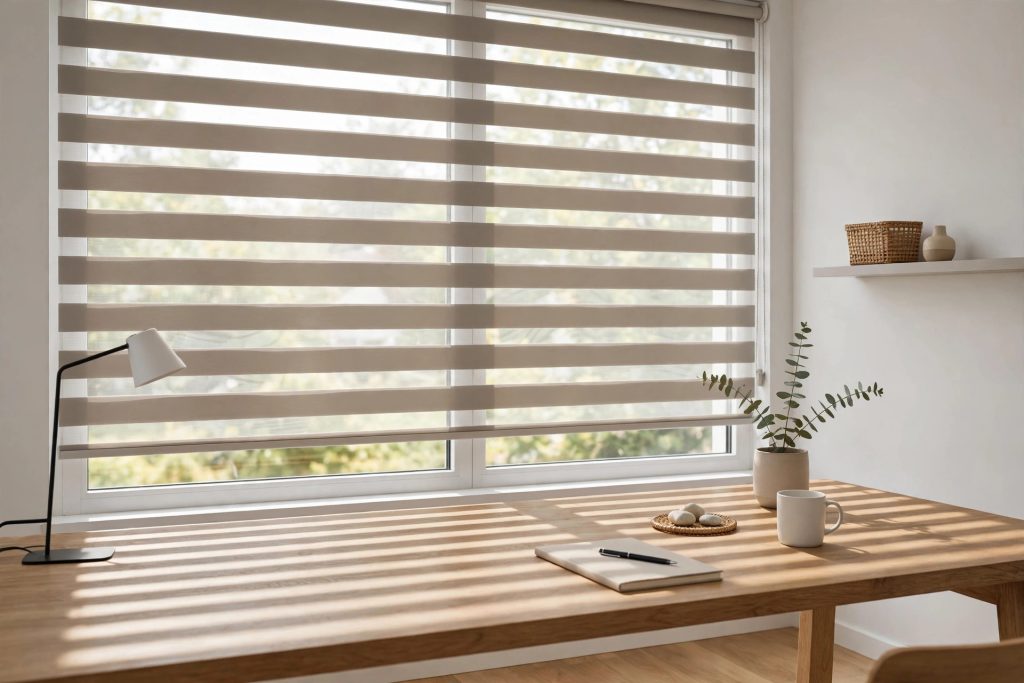
Dealers report mixed reviews when “zebra” is shipped with only sunscreen fabric. For true blackout, pair day and night bands with a weighted bottom rail and side channels. We stock a blackout day/night combination for hotel and bedroom projects. Clarify “room-darkening” vs “blackout” in your product titles to match guest expectations.
The terminology gap is where most returns start. In day/night blinds there are effectively three tiers: sheer view-through (sunscreen bands), dim-out/room-darkening (denser solid bands that soften daylight but don’t block it), and true blackout (opaque solid bands plus light-blocking hardware). Listing a dim-out product as “blackout” is the single most common source of one-star reviews in this category — guests wake up at 6 a.m. and blame the dealer, not the listing. Write your titles and bullet points to match the actual tier, and use comparison photos in the listing showing each tier at midday.
Side light gaps deserve their own line in your spec sheet. Even with blackout fabric, standard day/night blinds leak light at the edges — the #1 bedroom complaint in buyer Q&As. The fix is a cassette headrail plus side channels (U-channels) that trap the fabric edges. This adds cost, so position it as the bedroom/hotel upgrade package rather than the default: standard for living areas, channeled blackout for sleep spaces. Contractors who present it this way report fewer callbacks and higher average order value.
5. Flame-Retardant and Commercial Compliance
For hotels, schools, and hospitals, NFPA 701 Test Method 1 is a common requirement. Our sunscreen fabrics are tested to pass NFPA 701 (see factory SGS report No. AJHG2507006527FB, Aug 2025, black sunscreen 507g/m²). Always request the test report before placing a commercial PO. This prevents job-site rejections.
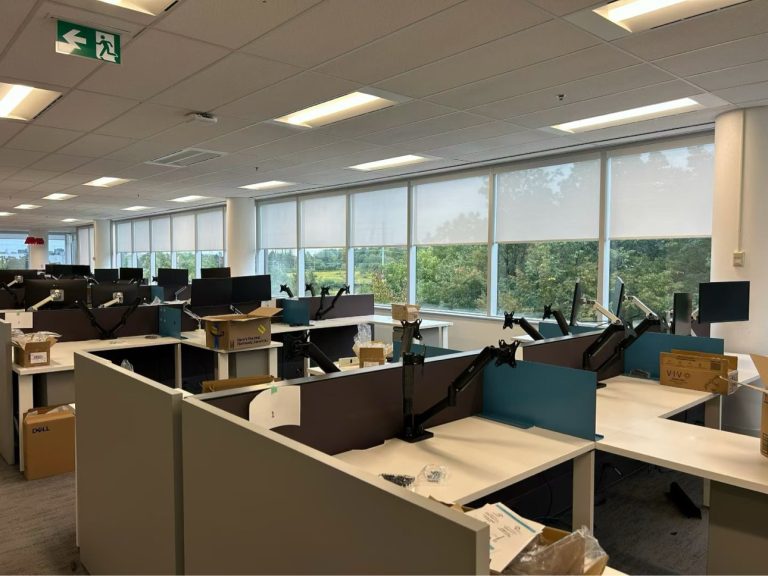
Knowing where the requirement bites saves you from quoting the wrong product. Hospitality procurement — hotels, resorts, short-term rental portfolios — is the most frequent source of NFPA 701 requests, followed by healthcare, education, and public buildings. The pattern to watch: the requirement often appears late, in the GC’s submittal package, after you’ve already quoted standard fabric. Build the habit of asking every commercial inquiry “does this project require flame-retardant certification?” in your first reply — it takes one sentence and avoids re-quoting.
When you request the report, check three things: the test method (NFPA 701 has more than one; Test Method 1 covers single-layer fabrics like sunscreen), the fabric description on the report (it should match what you’re actually buying — weight, color, construction), and the report date (project specs sometimes require testing within a recent window). A factory that sends the report with the quote, unprompted, is signaling it handles commercial work regularly — treat that as a positive vetting signal. Sunjoy Shades supplies the relevant test documentation with commercial quotes as standard practice.
6. OEM / Private Label for Dealers and Contractors
If you sell under your own brand, confirm OEM/private-label support early. Sunjoy Shades provides neutral packaging and custom labels for dealer programs, with no catalog file to download — request fabric swatches and a quote instead. Trade buyers prefer one factory contact, consistent color lots, and responsive WhatsApp support for urgent jobs.
The details that separate a smooth private-label program from a painful one are rarely on the price sheet. Confirm up front: whether cartons ship fully neutral (no factory markings anywhere, including tape and labels), how custom hang-tags or brand labels are applied and who supplies the artwork files, and whether the factory keeps your color standards on file so reorders match — shade variation between orders is a top dealer complaint. Swatch programs matter more than most buyers expect: a physical swatch book or cuttings let your sales team close in the customer’s home, and factories that ship swatches quickly tend to handle production communication well too.
Ordering structure is the other half. Ask how the factory handles mixed-SKU containers versus smaller LCL shipments — dealers scaling up usually start with mixed trial orders and move to fuller loads as lines prove out. A factory comfortable with both is easier to grow with. And keep one direct contact (we run ours over WhatsApp at +86 18706580010) rather than routing through layers; when a job-site issue needs a same-day answer, the org chart doesn’t matter, the response time does.
7. Specs, Sizing, and Ordering Notes for Wholesale
- Width: common ranges 24″–96″; custom sizes available for oversized windows.
- Fabrics: sunscreen 3%/5%, blackout, dual-layer polyester.
- Control: cordless, right/left motor, battery tube, or hardwire.
- Lead time: directional only — confirm during quoting; avoid stating days in listings.
- Packaging: neutral or branded, bulk-carton options for containers.
Two measurement mistakes cause most wholesale rework. First, inside vs. outside mount: inside-mount orders need the exact window recess width minus a small deduction for clearance — confirm whose deduction standard applies (yours or the factory’s) before the first PO, because a 1/4″ disagreement across 50 shades is a full remake. Second, fabric width limits: dual-layer zebra fabrics come in fixed roll widths, and very wide windows may need two shades or a rail join — flag widths above the standard range during quoting so the customer isn’t surprised.
For your first order with a new factory, keep it structured: one mixed-SKU trial covering your main sellers (a sunscreen, a dim-out, a blackout; manual and one motorized), so you validate fabric quality, mechanism feel, packaging, and communication in a single shipment. Check packaging on arrival the way your customer will — open a carton, mount one shade, run it through its full travel. The factories worth scaling with are the ones whose trial shipment needs no excuses.
FAQ
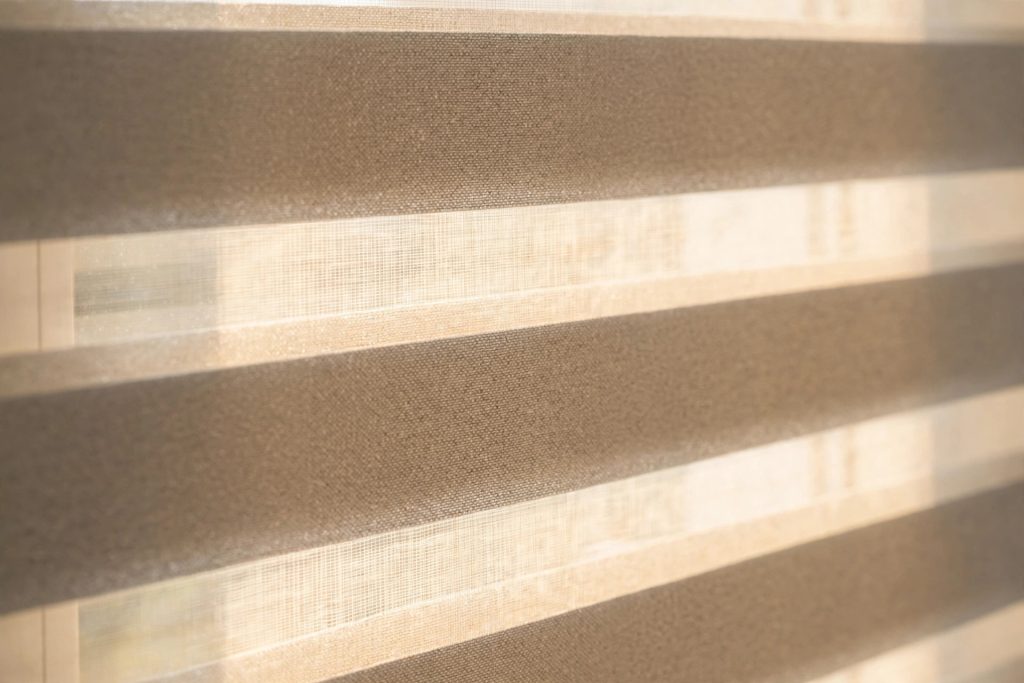
Q1: Are day and night blinds the same as zebra blinds? Yes — day and night is the B2B platform term; zebra is the common retail term. Both refer to dual-layer sheer/solid bands.
Q2: Do you offer cordless for rental properties? Yes. Our cordless and motorized day and night blinds meet North American child-safety expectations and reduce liability for multi-unit buildings.
Q3: Can I order NFPA 701 fabrics for hotels? Yes. Provide your room count and fabric color; we supply the relevant test report with the quote.
Q4: Do you support private label? Yes. We offer neutral packaging and custom brand labels for dealers and contractors. MOQ, lead time, and sample policy are discussed during RFQ, not listed publicly.
Q5: Motorized vs manual — which sells more for offices? Offices and hotels often choose motorized for large spans; retail and residential still mix manual cordless. We stock both.
Q6: How fast can you quote? Share your size range, fabric type, control, and quantity, and we’ll reply with pricing and availability via WhatsApp.
Q7: What should I check on the first sample order? Band alignment at three positions, fabric edge stiffness, color consistency across pieces, mechanism smoothness through full travel, and packaging condition on arrival. One mixed-SKU trial tells you most of what you need about a factory.
Q8: Can I mix SKUs in one shipment? Yes — dealers typically start with a mixed trial (sunscreen, dim-out, blackout; manual plus one motorized) and scale to fuller loads as lines prove out. Discuss the mix during RFQ so packing and labeling match your warehouse flow.
Get a Free Wholesale Quote
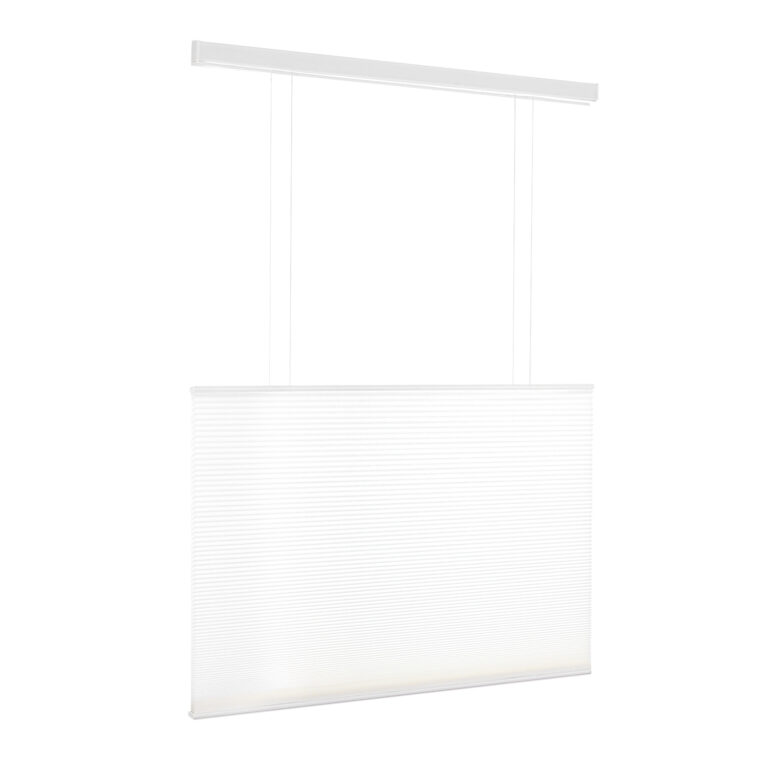
Ready to source day and night blinds for your next project? Contact Sunjoy Shades at https://wa.me/8618706580010 on WhatsApp for dealer pricing, OEM options, and current fabric availability. We support roller blinds and honeycomb cellular shades as well.
About Sunjoy Shades
Sunjoy Shades is the export brand of Shaoxing Sunjoy Group Co., Ltd., a window-covering manufacturer founded in 2009 in Shaoxing, China. Website: https://www.sunjoyshades.com. WhatsApp: +86 18706580010. We supply roller, zebra/day-night, honeycomb/cellular, shangri-la, and butterfly shades for wholesalers, dealers, hotels, and contractors across North America.