If you sell window coverings for a living, the question on your desk has changed. It is no longer “how much does the motorized shade cost?” — your customers have a smartphone, a voice assistant, and a half-built smart home, and their question is now: “Will this shade actually work with my setup — and will it still work next year?”
That question is why Matter-over-Thread is becoming the specification that matters most in motorized shades heading into 2027. Read the buyer complaints behind motorized listings and a pattern jumps out: the shades themselves are rarely the problem. The problems are hub confusion, failed pairing, locked-in protocols, and automations that silently stop working. For a dealer, those problems have a name: callbacks.
This guide is written for North American wholesale buyers — dealers, installers, contractors, designers, and project procurement — who want a motorized line that sells on compatibility, not apologies. Sunjoy Shades (Shaoxing Sunjoy Group Co., Ltd., sunjoyshades.com) manufactures motorized window coverings from its own factory in Shaoxing, China, and its motors support Matter-over-Thread — here is how to think about that capability the way your customers will.
Why Smart Shades Generate Service Calls (and What Matter Changes)
Start with the real-world pain, because your customers will. Across review patterns on motorized and smart-retrofit shading products, the same complaints repeat:
“Works with Alexa” turned out not to be plug-and-play. Buyers routinely discover that voice control needs a hub they were never told to buy — in one documented case, a buyer needed two separate hubs before a Matter pairing would complete. Customers don’t budget for hubs, and they blame the shade brand when setup stalls.
Pairing and calibration eat the installer. App-store reviews describe calibration failing across multiple units and recalibration requiring delete-and-re-add. One blind maker’s own FAQ advises buyers to photograph the motor’s QR code before installation — because pairing is much harder once the shade is mounted. Industry guides list the root causes honestly: outdated firmware, weak border-router conditions during commissioning, and QR-code mistakes.
Protocols strand inventory. Proprietary 2.4 GHz RF remotes cannot be bridged into Matter at all. Zigbee shades only appear in Matter if the vendor’s bridge exposes them — sometimes with features lost. And “Matter compatible” on a label often means a firmware update is promised, not delivered.
For a dealer, each of these is a truck roll, a ladder visit, or an evening support call. Matter was designed to attack exactly this layer — one shared protocol, QR-code commissioning, local control — so a Matter-ready line is not just a technology upgrade. It is a callback-reduction strategy. That is the pitch to lead with when choosing stock for 2027.
Matter-over-Thread in Plain English for Window-Covering Pros
Strip away the marketing and Matter-over-Thread comes down to four things your customers will actually feel:
- One protocol instead of five. Matter is the smart-home interoperability standard from the Connectivity Standards Alliance (CSA), backed by over 250 member companies including Apple, Google, and Amazon. It includes a dedicated Window Covering device type. A shade that speaks Matter can join whichever ecosystem the customer already runs.
- Multi-admin: one shade, every platform. The same motorized shade can sit in Apple Home, Google Home, Alexa, and SmartThings simultaneously. A household with mixed iPhones and Androids no longer forces you to pick a camp.
- Local control that survives an outage. Thread is a low-power mesh network; commands travel locally without a cloud round-trip, which means faster response — and locally-set schedules keep running even when the internet drops. Voice control still needs the cloud, but the shade doesn’t go dumb without it.
- QR-code commissioning. Setup becomes scan-a-code instead of a twenty-minute app ritual. For installers, commissioning time per window is a real, measurable cost — a shade that pairs in minutes is a selling point worth putting on your quote sheet.
Treat “2027 becomes standard” as direction, not prophecy — but the direction is clear. GE Lighting launched Matter-over-Thread custom smart shades in October 2026, and native Matter-over-Thread blind motors are shipping today, not on a roadmap.
The Thread Border Router Question Your Customers Will Ask
The number-one question your customers will bring you about a Matter-ready shade is: “Do I need a hub?” Have the honest answer ready.
Matter-over-Thread shades need two things on the network side: a Matter controller and a Thread border router. The good news to tell your customers is that they may already own half the infrastructure:
- Apple: HomePod mini, HomePod (2nd gen), and the 128 GB Apple TV 4K double as Thread border routers.
- Google: the 2nd-generation Nest Hub works as both a Matter controller and a Thread border router.
- Amazon: recent Echo and Eero devices serve as Thread border routers.
The honest framing: Matter reduces hub sprawl but doesn’t eliminate the infrastructure question. A customer with a brand-new Apple TV is set. A customer with only an old Echo Dot is not — and that is a $100 conversation to have before the shades go on the windows, not after a failed pairing on a Tuesday night. Dealers who draw the system diagram on the quote — shade → border router → app — get dramatically fewer “it doesn’t work” calls.
“Matter Compatible” vs. “Matter Certified”: What to Demand on a Spec Sheet
This distinction is where dealers get burned, and where your spec sheet earns its keep:
- “Matter compatible” usually means the motor can be upgraded to Matter — sometimes by a firmware update that has not shipped yet. One well-known Matter-capable blind motor made its upgrade a one-way trip: once flashed, the old app control disappeared permanently. Compatible can be fine — but you need the upgrade terms in writing.
- “Matter certified” means the product passed CSA conformance testing for the Matter Window Covering device type. Certification is the difference between “promised” and “proven.”
What to demand from any factory before you commit inventory:
- Native Matter-over-Thread support in the motor itself, not just a bridge workaround.
- The exact Matter device type and the firmware version that carries it.
- Who performs firmware updates, how they reach the shade, and whether the dealer or the homeowner does the work.
- Whether “Matter-ready” refers to hardware that is ready now or software arriving later.
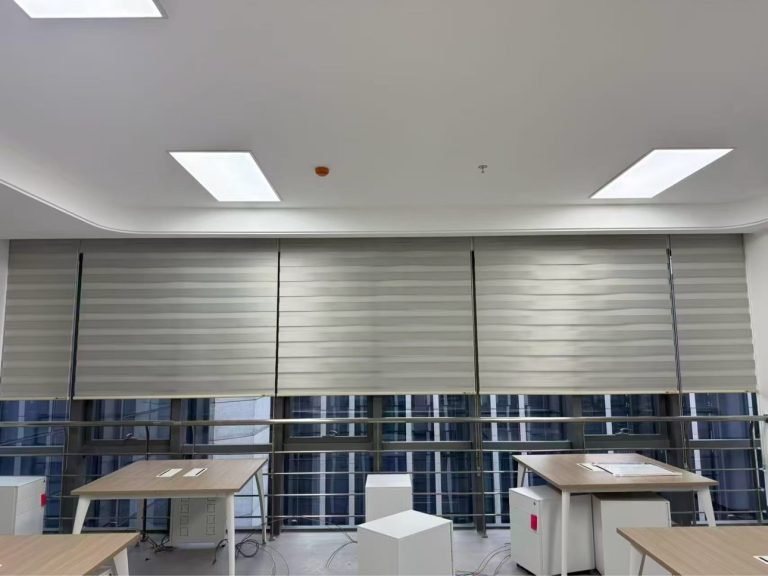
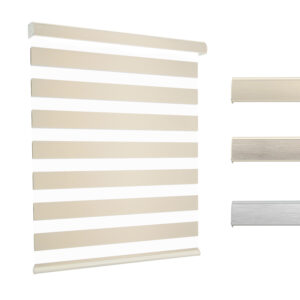
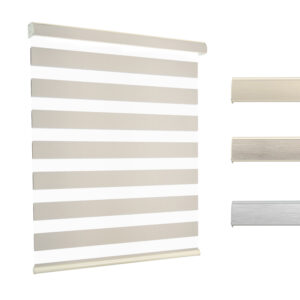
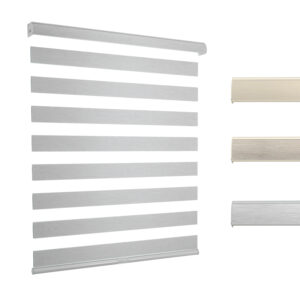
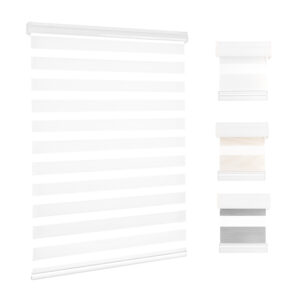
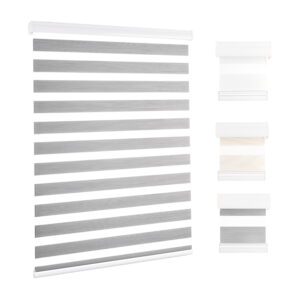
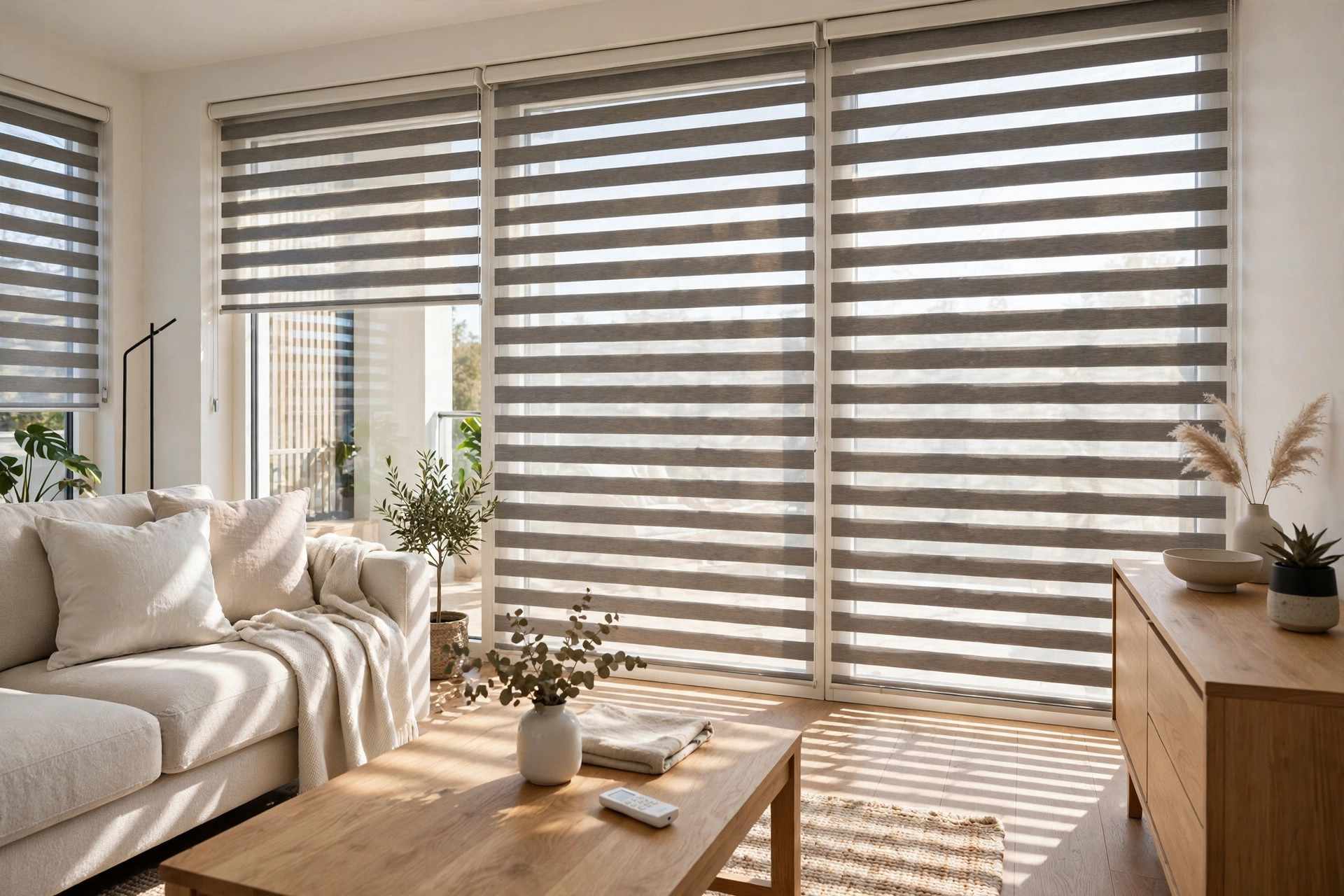
Sunjoy Shades builds its motorized shades — motorized zebra blinds, motorized honeycomb shades, and more — with Matter-over-Thread support as a factory capability, so these questions get answered from production, not from a reseller’s spec sheet.
Retrofit Kits vs. Factory-Built Motorized Shades: Which Fits Your Business
For 2027 there are two credible routes into the Matter-ready market, and they serve different customers:
DIY retrofit motors and chain openers. Third-party Matter-over-Thread motors built for standard 38 mm tubes, some around the $100 mark, let a customer smarten an existing roller shade without replacing it. For dealers, these are a legitimate upsell to existing customers — but they are a retrofit story: mixed quality, homeowner-grade instructions, and your name on the service call if the fit isn’t right.
Factory-built motorized shades. Made-to-measure, the motor matched to the tube diameter, fabric weight, and shade type from the start. No spacer gymnastics, no torque mismatch, no aftermarket bracket that almost fits. For new installations — the ones that become whole-house orders and referrals — factory-built wins on quality and on your installation time per window.
The dealer play is not either/or: offer retrofit kits for the customer’s existing shades, and factory-built motorized day-and-night honeycomb blinds and zebra lines for new orders. Each wins its own conversation.
Power Strategy Still Matters: Rechargeable, Solar, or Hardwired
Matter doesn’t solve the battery — say that out loud in your showroom and customers will trust everything else you say. Independent testing shows how wide the spread is: budget motors can fade in roughly four to six months while premium ones hold closer to seven, wider shades draw noticeably more power than narrow ones, and twice-daily operation adds up fast across a whole house.
The dealer guidance for 2027:
- USB-C rechargeable batteries are the standard retrofit answer — easy install, but hard-to-reach windows mean ladder visits. Specify the expected charge interval in writing on the quote.
- Solar charging panels stretch the interval for sun-exposed glass — a natural upsell for south- and west-facing windows.
- Hardwired remains the installer consensus for new construction: no batteries, no recharging, no callbacks about dead shades. If the walls are open, wire them.
Power strategy is the conversation that separates a quote from a plan. Have it before the order, not after the first dead battery.
What Matter Doesn’t Fix: The Honest Section Your Customers Will Respect
Matter is the best thing to happen to smart shading in years — and a dealer who pretends it fixes everything will get caught. Here is the honest fine print to share with customers:
- Firmware currency matters. Multi-admin commissioning gets brittle when ecosystem firmware diverges. Keep shades and hubs updated.
- Mesh coverage is real. Thread forms a mesh, and early-adopter forums report blinds dropping off congested networks in apartments. For large homes, plan border-router placement like you plan Wi-Fi.
- Voice still needs the internet. Local control keeps schedules running during an outage; voice commands do not.
- Matter has nothing to do with cord safety. The North American expectation for child-safe window coverings — cordless operation in homes with children — is a separate design decision. Motorization already solves it; don’t conflate the two in your pitch.
Dealers who lead with the caveats close more sales, not fewer — because the customer hears a professional managing risk, not a salesperson managing a script.
FAQ
Do my customers need a hub for Matter-ready shades?
Usually they already own what they need: a HomePod mini, Apple TV 4K (128 GB), Nest Hub (2nd gen), or a recent Echo or Eero device doubles as a Thread border router. Customers with none of these will need to add one — have that conversation before installation.
Can one shade work with Apple Home and Google Home at the same time?
Yes — that is Matter’s multi-admin feature, and it is the single biggest practical reason to specify Matter-ready motors. A mixed-device household no longer forces an ecosystem choice.
Will motorized shades keep working during an internet outage?
Schedules set locally on Matter-over-Thread motors keep running without the cloud, because Thread commands travel on the local mesh. Voice control, however, requires an internet connection.
How often do motorized shade batteries need recharging?
It varies widely by motor quality, shade width, and daily use. Independent tests show budget motors fading in roughly four to six months versus premium motors holding closer to seven, and wider shades drawing about a quarter more power than narrow ones. Ask your factory for the expected interval in writing.
Can I retrofit Matter motors into existing roller shades?
DIY Matter-over-Thread motors exist for standard 38 mm tubes and can motorize an existing shade. They work well as an upsell for a customer’s current windows — but for new whole-house orders, factory-built motorized shades give cleaner results and faster installs.
Will Matter make my current Zigbee or RF stock obsolete?
Not overnight. Zigbee shades can reach Matter through a vendor bridge, and existing RF lines still serve customers who don’t want a smart home. The safe 2027 posture is bridges for the installed base and native Matter-over-Thread for new stock — so new inventory never strands.
Get a Free Wholesale Quote
Matter-ready motorized shades are becoming the specification North American buyers ask for first — because they mean fewer hubs, faster installs, and fewer callbacks. Sunjoy Shades (Shaoxing Sunjoy Group Co., Ltd., sunjoyshades.com) manufactures motorized zebra, honeycomb, roller, and Shangri-la shades with Matter-over-Thread support from its own factory, built for dealer, contractor, and project-procurement channels.
Tell us about your next project — get a free wholesale quote and talk motor options with a factory team that answers spec questions in writing. WhatsApp us at +86 18706580010
About Sunjoy Shades
Sunjoy Shades (Shaoxing Sunjoy Group Co., Ltd., sunjoyshades.com) has manufactured window coverings in Shaoxing, China since 2009 — roller shades, zebra blinds, honeycomb/cellular shades, Shangri-la blinds, and butterfly shades, in manual, cordless, and motorized versions, with OEM/private-label programs for North American wholesale partners. Website: https://www.sunjoyshades.com · WhatsApp: +86 18706580010.