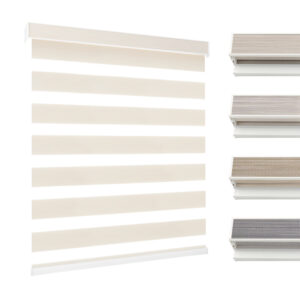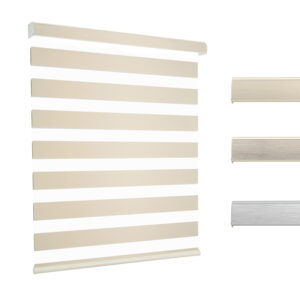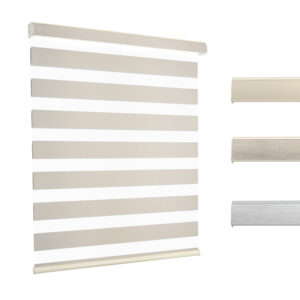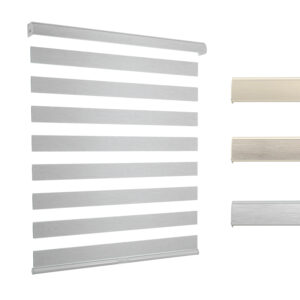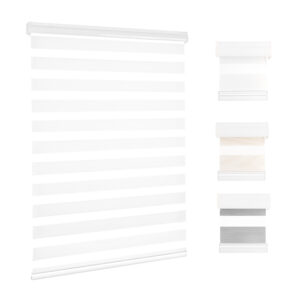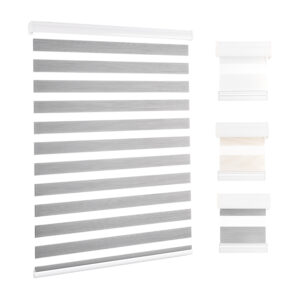
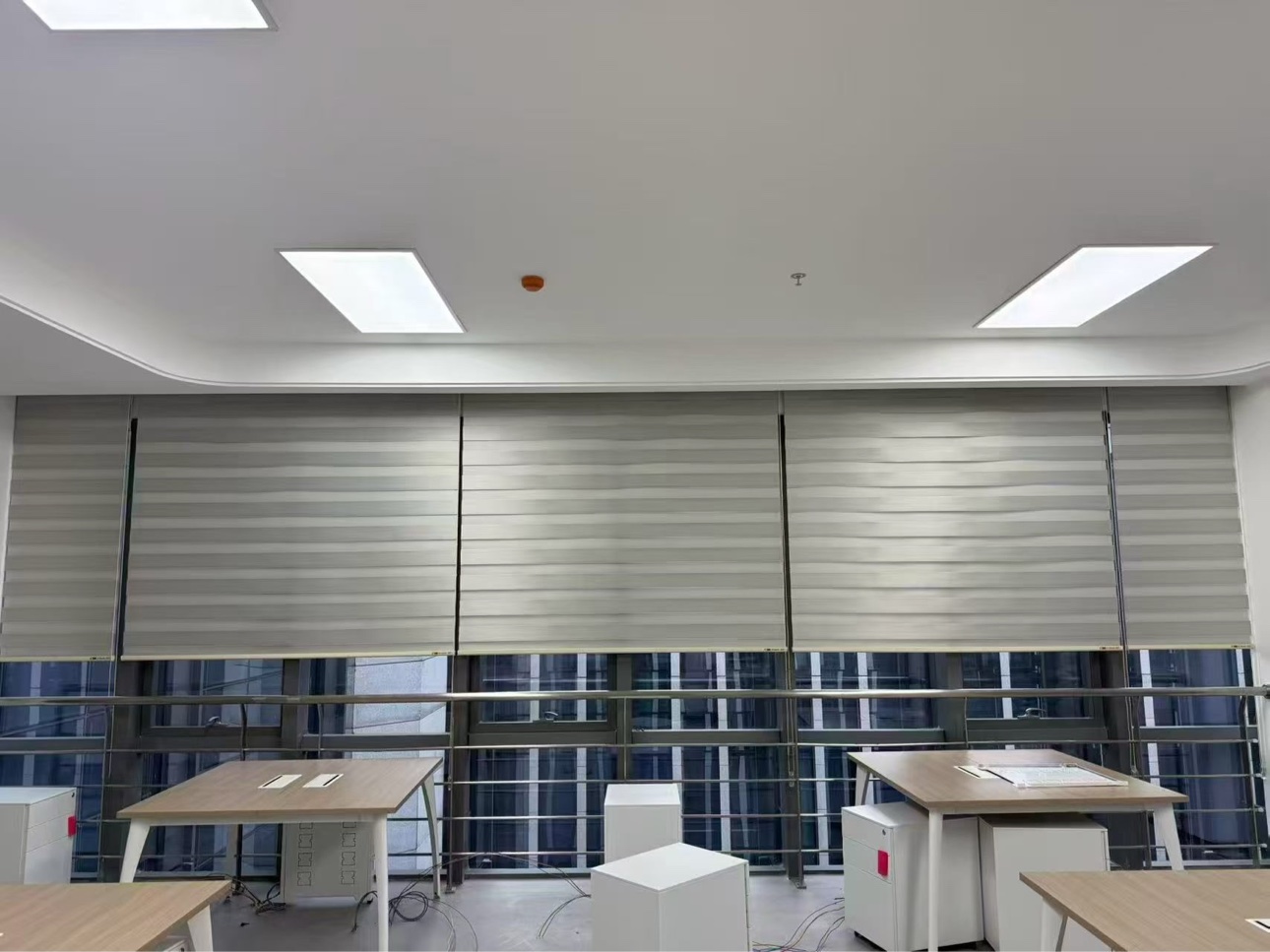
At Sunjoy Shades (Shaoxing Sunjoy Group Co., Ltd., sunjoyshades.com), we manufacture motorized zebra blinds in our Shaoxing factory and supply wholesalers, dealers, and project buyers worldwide. Use this guide to compare motors, controls, and specs before you stock.
Zebra blinds are already one of the best-selling window coverings in North America. Add a motor, and they become something more: a premium smart-home product that sells itself on convenience. For wholesalers and dealers, motorized zebra blinds check every box — on-trend, high-ticket, and genuinely useful for customers with tall windows, hard-to-reach skylights, or whole-home automation.
But sourcing them well takes more homework than sourcing manual zebra blinds. Motors, controls, compatibility, and after-sales support all matter. This guide walks you through what to look for in a motorized zebra blinds supplier so you can stock with confidence.
Why Motorized Zebra Blinds Are Winning in North America
Three demand drivers are converging:
- Smart-home adoption. North American homeowners increasingly expect window coverings to work with the rest of their connected home — voice control, scheduling, and app control are moving from luxury to expectation.
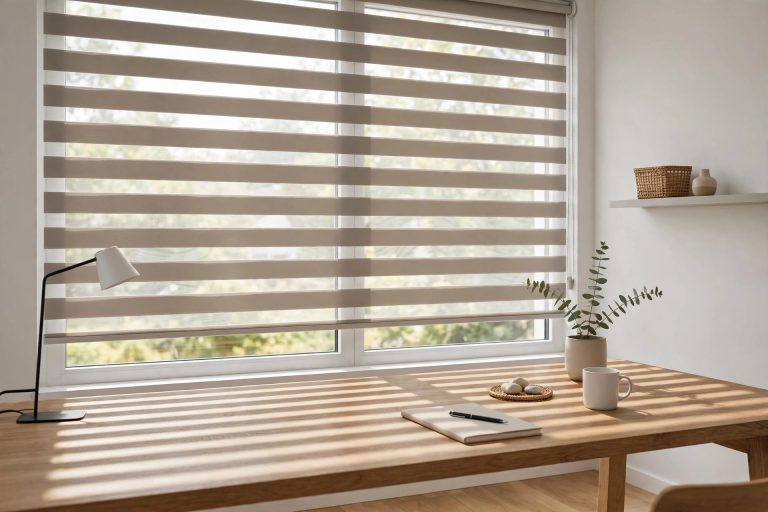
- The convenience factor. Zebra blinds are popular precisely because of their flexible light control (align the stripes for view, offset them for privacy). Doing that with a remote or a schedule — especially on wide or tall windows — is a genuinely better experience than a cord or wand.
- The child- and pet-safe story. Motorized operation means no cords at all, which is the strongest possible answer to the cord-safety concerns that dominate the North American market.
For dealers, motorization also transforms the economics: the motor is a high-margin add-on that lifts every ticket it touches.
Motor Options: What Your Supplier Should Offer
Not all “motorized” is equal. A capable supplier should offer you choices across these dimensions:
Power source:
- Rechargeable battery motors — the most popular option for retrofit and residential work. No wiring needed; the motor charges via a standard USB-type cable or a solar charging panel. A single charge typically lasts several months under normal daily use.
- Hardwired (low-voltage) motors — best for new construction and large commercial projects where wiring can be planned in. No recharging ever, at the cost of upfront electrical work.
- Solar-assisted — a small solar panel trickle-charges the battery motor, extending time between charges. A nice selling point for sun-facing windows.
Control options:
- Handheld remote (single or multi-channel for grouped control)
- Smartphone app via WiFi or a hub
- Voice control through common smart-home platforms
- Wall switch for a clean, fixed control point
- Scheduling/timers — the “wake up with daylight” feature customers love
Ask your supplier which control ecosystem their motors use, and whether one remote or app can control mixed products (for example, motorized zebra blinds plus motorized roller shades in the same home). Compatibility across your lineup is a real selling advantage.
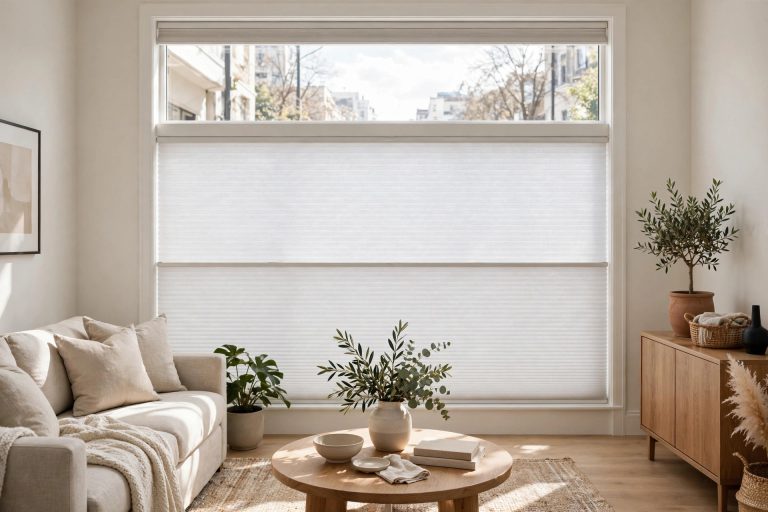
Wholesale tip: many dealers pair motorized zebra blinds with other motorized products from a single supplier — for example, motorized roller shades and honeycomb blinds.
Battery vs. Hardwired: Which Should You Stock?
For most dealers and wholesalers, the answer is: stock battery, offer hardwired for projects.
| Battery (Rechargeable) | Hardwired | |
|---|---|---|
| Installation | DIY-friendly, no electrician | Requires low-voltage wiring |
| Best for | Retrofit, residential, rentals | New construction, hotels, large commercial |
| Maintenance | Recharge every few months (typical) | None |
| Upfront cost | Lower installed cost | Higher (wiring labor) |
| Customer friction | Very low | Needs planning with builder/electrician |
Battery motors win the volume game because any homeowner can adopt them. Hardwired wins the project game — hotel and commercial buyers planning new builds prefer a “fit and forget” solution. A good supplier supports both and can advise which suits each order.
Key Specifications to Confirm With Your Supplier
Beyond the motor itself, verify the blind specs:
- Maximum width and drop for motorized units (motors have torque limits; confirm wide shades are supported, possibly with coupled units).
- Fabric range — the full zebra fabric collection should be available motorized, including blackout options for bedrooms and media rooms.
- Motor noise — ask for the typical noise level. Quality tubular motors run quietly; a noisy motor is one of the fastest ways to get a customer complaint.
- Vane/stripe alignment — zebra blinds live or die on stripe alignment. Confirm the factory’s tolerance and QC process, especially for wide motorized units.
- Bottom rail and valance — check finish options and whether a fabric-wrapped cassette is available for a premium look.
- Spare parts and motor warranty — motors are the component most likely to need service. Ask about warranty terms and how replacement motors are supplied. Reputable suppliers typically offer multi-year motor coverage and keep spare parts available.
At our Shaoxing factory, every motorized unit passes stripe-alignment and noise checks before packing — ask any supplier how they QC wide motorized units.
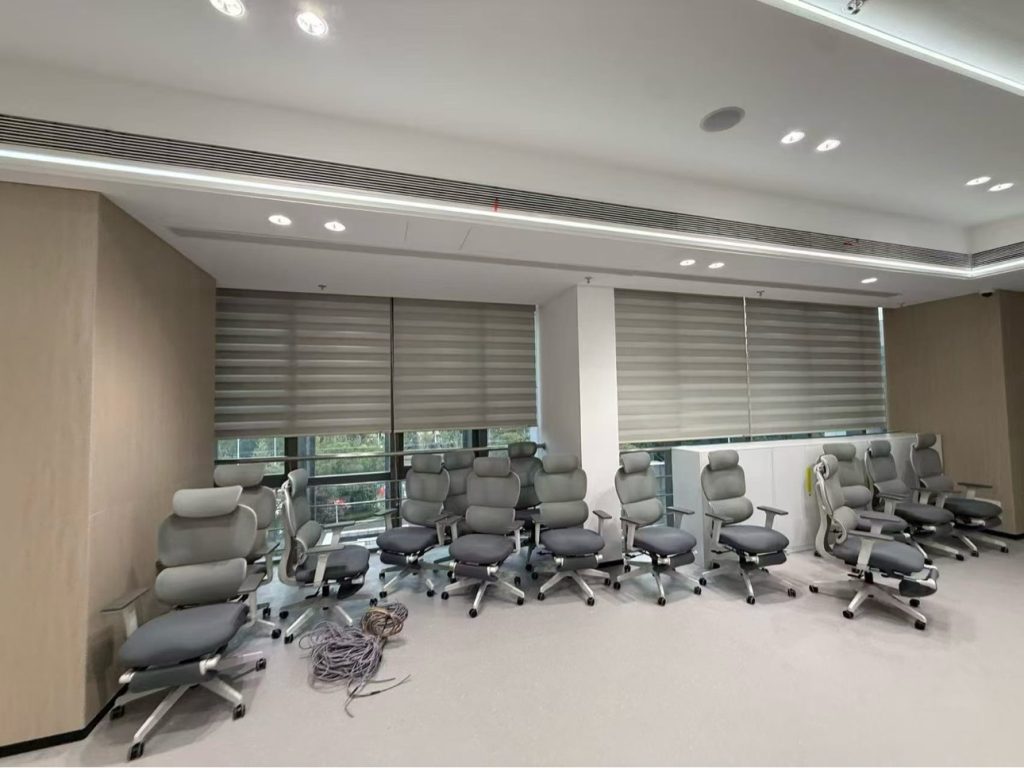
Smart-Home Compatibility Without the Headache
Your customers will ask “does it work with my smart home?” Keep the answer simple and honest:
- Most quality motorized blinds today work with the major voice assistants and smart-home platforms, either directly (WiFi motors) or through a hub/bridge (Zigbee and similar protocols).
- For dealers, the practical advice is: standardize on one ecosystem per customer. Mixing protocols across rooms creates support headaches.
- Ask your supplier for a compatibility list in writing, and for demo videos you can show customers. A 30-second “watch it work with voice control” clip closes sales.
How Motorized Zebra Blinds Are Priced
Understanding the cost structure helps you quote confidently and protect margin:
- The blind itself — priced like a standard made-to-measure zebra blind (fabric + size).
- The motor — the main add-on cost. Battery motors cost less than hardwired setups once wiring labor is included.
- Controls — remotes, hubs, and wall switches, typically priced per piece. Multi-channel remotes that control a whole room are an easy upsell.
- Volume tiers — like all wholesale blinds, unit pricing improves with quantity. Ask your supplier for their tier breaks.
When quoting retail customers, bundle it: “motorized zebra blinds for the whole living area, one remote, installed” feels like a package, not a parts list — and packages protect margin better than line items.
Selling It: Positioning for Dealers and Designers
A few field-tested angles:
- Lead with the problem, not the motor. “Tired of climbing to adjust the blinds on your two-story windows?” beats “check out our tubular motors” every time.
- Demo it. A motorized display sample in your showroom — ideally voice-controlled — sells more than any brochure.
- Bundle with designers. Interior designers love specifying motorized shades for luxury projects. A trade program with designer pricing on motorized products opens a high-value channel.
- Target the right rooms. Great rooms with tall windows, bedrooms (scheduled wake-up light), media rooms (blackout + remote), and skylights are the natural entry points.
Frequently Asked Questions
How long does the battery last on motorized zebra blinds?
Under typical daily use (one or two open/close cycles per day), a rechargeable battery motor typically runs for several months per charge. Larger or heavier shades cycle the motor harder and may need charging more often. Solar charging panels can extend the interval.
Can my existing manual zebra blinds be retrofitted with a motor?
Generally no — motorized units are built around the motor from the start (different headrail and tube). Plan motorization at the time of ordering. If a customer already owns manual zebra blinds, the practical path is replacement with motorized units.
What is the typical MOQ for wholesale motorized zebra blinds?
MOQs are typically set per order or per SKU and vary by supplier. Because motors add cost, some suppliers set the motorized MOQ separately from manual products — ask for both numbers.
Do motorized blinds work during a power outage?
Battery-powered motors do — they run on their internal rechargeable battery regardless of household power. Hardwired motors depend on the low-voltage supply.
Are motorized zebra blinds noisy?
Quality tubular motors operate quietly — typically a soft hum. If quiet operation matters for bedrooms, ask your supplier for the motor’s noise specification and request a video demonstration before ordering.
What happens if the motor fails after installation?
This is why supplier choice matters. Confirm warranty terms, how replacement motors are shipped, and whether the motor can be replaced without replacing the whole blind. Keep a spare motor or two in stock for your service commitments.
Get a Free Wholesale Quote
Looking for a reliable motorized zebra blinds supplier? Sunjoy Shades has manufactured window blinds in Shaoxing, China since 2009, supplying wholesalers, dealers, and project buyers — with manual, cordless, and motorized options across the full product range.
[Get a Free Wholesale Quote] · WhatsApp: +86 18706580010 (https://wa.me/8618706580010) · [Download Our 2026 Catalog]
About Sunjoy Shades — Shaoxing Sunjoy Group Co., Ltd. has manufactured window blinds in Shaoxing, China since 2009. Browse the full range at https://www.sunjoyshades.com, get a free wholesale quote, or reach us on WhatsApp: +86 18706580010 (https://wa.me/8618706580010).